If you’re planning to get dental implants, your dentist may recommend a bone graft before the procedure. While this might sound intimidating, bone grafting is a common and highly effective treatment that prepares your jaw for long-lasting implant success.
Understanding the recovery timeline can help you feel more confident and prepared. In this guide, we’ll walk you through each stage of healing, what to expect, and how to ensure a smooth recovery—especially if you’re considering a dental implant glendale treatment or similar advanced care.
What Is Bone Grafting in Dental Implants?
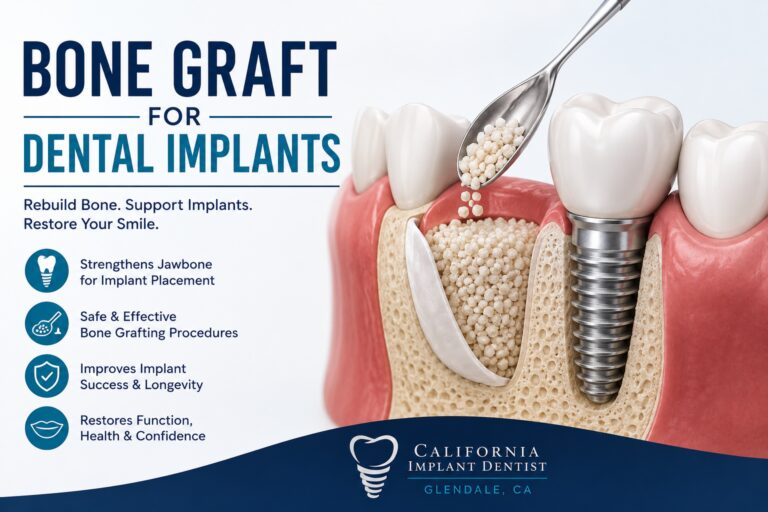
Bone grafting is a procedure used to rebuild or strengthen the jawbone when it is not thick or dense enough to support dental implants.
This is often needed if:
- You’ve lost teeth for a long time
- There is bone loss due to gum disease
- Trauma or infection has affected the jaw
The graft acts as a foundation, allowing your implant to anchor securely.
Why Recovery Time Matters
Healing after a bone graft is crucial because:
- The graft needs to integrate with your natural bone
- The jaw must become strong enough to hold implants
- Proper healing ensures long-term implant success
Skipping or rushing recovery can lead to implant failure, so patience is key.
Bone Grafting Recovery Timeline (Step-by-Step)
Let’s break down the healing process into clear stages:
Day 1–3: Immediate Post-Surgery Phase
This is the most sensitive period after the procedure.
What to expect:
- Swelling and mild discomfort
- Minor bleeding
- Tenderness in the treated area
Care tips:
- Use ice packs to reduce swelling
- Stick to soft foods (soups, yoghurt, smoothies)
- Avoid touching or disturbing the area
Pain is usually manageable with prescribed medication.
Week 1: Early Healing Stage
By the end of the first week, your body begins repairing tissues.
Changes you’ll notice:
- Swelling starts to reduce
- Pain becomes minimal
- Gums begin to heal
Important care:
- Maintain oral hygiene (as advised by your dentist)
- Avoid hard or crunchy foods
- Attend follow-up appointments
This stage sets the foundation for proper bone integration.
Weeks 2–4: Soft Tissue Recovery
During this period, your gums heal significantly.
What happens:
- Gum tissue closes over the graft site
- Discomfort is almost gone
- Normal daily activities resume
However, internal healing is still ongoing, so you should continue to be cautious.
1–3 Months: Bone Integration Begins
This is a critical phase where the graft starts bonding with your natural bone.
Key developments:
- New bone cells form around the graft
- The jaw begins to regain strength
- The graft stabilises
You may feel completely normal, but healing is still in progress internally.
3–6 Months: Full Bone Healing
This is when most patients are ready for dental implants.
What happens:
- The graft fully integrates with your jawbone
- Bone density improves
- The site becomes stable for implant placement
Your dentist will evaluate healing through scans before proceeding.
Read our latest blog: https://californiaimplantdentist.com/blog/common-myths-about-bone-grafting-for-dental-implants/
Factors That Affect Healing Time
Not everyone heals at the same pace. Several factors can influence your recovery:
1. Type of Bone Graft
- Autograft (your own bone): Faster healing
- Allograft (donor bone): Moderate healing time
- Synthetic graft: May take longer
2. Overall Health
Conditions like diabetes or immune disorders can slow healing.
3. Smoking and Lifestyle
Smoking significantly delays bone regeneration and increases complications.
4. Oral Hygiene
Poor oral care can lead to infection and disrupt healing.
Tips for Faster and Safer Recovery
To ensure a smooth recovery, follow these expert tips:
1. Follow Post-Op Instructions Carefully
Your dentist’s advice is tailored to your case—don’t ignore it.
2. Stick to a Soft Diet
Avoid hard, spicy, or hot foods in the early stages.
3. Avoid Smoking and Alcohol
These can delay healing and increase infection risk.
4. Maintain Good Oral Hygiene
Use gentle rinses and avoid aggressive brushing near the graft.
5. Attend Regular Check-Ups
If you’re planning a dental implant glendale procedure, follow-ups are essential to track healing progress.
Signs of Healthy Healing vs. Warning Signs
Knowing what’s normal can help you avoid complications.
Normal Signs:
- Mild swelling
- Gradual reduction in pain
- Healing gums
Warning Signs:
- Severe or increasing pain
- Persistent bleeding
- Signs of infection (pus, fever, bad taste)
If you notice any of these, contact your dentist immediately.
When Can You Get Dental Implants?
Most patients can proceed with dental implants after 3 to 6 months, depending on healing.
In some cases:
- Immediate implants may be possible
- Advanced techniques can shorten recovery time
Your dentist will determine the right timing based on your bone condition.
Is Bone Grafting Worth It?
Absolutely. While it adds time to your treatment, it ensures:
- Strong implant support
- Long-lasting results
- Improved oral health
- Better facial structure
Skipping bone grafting when needed can lead to implant failure, making it a crucial step.
Final Thoughts
Bone grafting is a vital part of the dental implants journey for many patients. While the recovery process takes time, each stage plays an important role in building a strong foundation for your new smile.
If you’re considering a dental implant glendale procedure, understanding this timeline helps you plan better and set realistic expectations. With proper care, patience, and professional guidance, you can achieve a successful and long-lasting result.
Quick Summary
- Initial healing: 1–2 weeks
- Bone integration: 1–3 months
- Full recovery: 3–6 months
- Implants are placed after complete healing