If you’ve been dealing with missing teeth or uncomfortable dentures, chances are you’ve had to rethink the way you eat. Foods you once enjoyed—crunchy apples, steak, even a simple sandwich—can suddenly feel off-limits.
That’s why one of the most common questions patients ask is: can you actually eat normally again with All-on-4 dental implants?
The short answer is yes—but like most things in dentistry, there’s a bit more to it. Let’s walk through what you can realistically expect, from the first few days after the procedure to long-term results.
What Are All-on-4 Dental Implants?
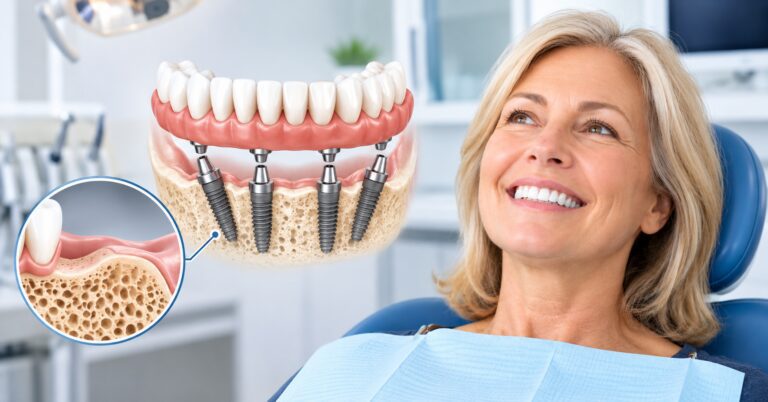
All-on-4 dental implants are a modern solution designed to replace an entire arch of missing teeth using just four strategically placed implants. Unlike traditional dentures, which rest on the gums, these implants are anchored into the jawbone, creating a stable and long-lasting foundation.
For patients considering dental implants, this approach offers a more efficient and less invasive alternative to placing individual implants for every missing tooth.
What makes All-on-4 particularly appealing is that many patients leave the clinic with a temporary set of functional teeth the same day. That means you won’t have to go weeks without teeth while healing.
So, Can You Eat Normally?
Here’s the honest answer:
Yes, you can eat normally with All-on-4 dental implants—but not immediately.
There are phases to your recovery, and your diet will evolve as your mouth heals and adjusts.
What You Can Eat Right After the Procedure
In the first few days following your procedure, your mouth will be sensitive. Even though your implants are secure, the surrounding tissues need time to heal.
During this phase, you’ll want to stick to soft, easy-to-chew foods like:
- Yogurt
- Mashed potatoes
- Scrambled eggs
- Smoothies
- Soups (not too hot)
This isn’t a limitation of the implants themselves—it’s simply part of the healing process your body needs.
Patients visiting a dental implant Glendale specialist are usually given a clear post-op diet plan to follow during this stage.
The Healing Phase: Gradually Expanding Your Diet
Over the next few weeks, as swelling subsides and your comfort improves, you can begin introducing more texture into your meals.
Think:
- Soft pasta
- Rice
- Cooked vegetables
- Tender chicken or fish
At this point, many patients already notice a huge improvement compared to traditional dentures. There’s no slipping, no adhesive, and significantly more control when chewing.
Still, it’s important to avoid hard or crunchy foods too soon. Your implants are integrating with your jawbone—a process called osseointegration—and that stability needs time to fully develop.
When Can You Eat Normally Again?
Most patients can return to a fully normal diet within 3 to 6 months, once their permanent teeth are placed.
And this is where All-on-4 dental implants truly shine.
You can comfortably eat:
- Steak
- Nuts
- Raw vegetables
- Apples
- Crusty bread
In other words, foods that are typically difficult—or impossible—with dentures become manageable again.
Why All-on-4 Feels More Natural When Eating
One of the biggest differences patients notice is how natural everything feels.
With traditional dentures:
- Chewing pressure is uneven
- Food can get trapped underneath
- Movement can cause discomfort
With All-on-4 dental implants:
- Bite force is significantly stronger
- Teeth stay firmly in place
- You can chew evenly on both sides
Because the implants fuse with your jawbone, they function much like natural tooth roots. That stability translates directly into better chewing efficiency and confidence.
Foods to Be Careful With (Even Long-Term)
While you’ll regain the ability to eat most foods, it’s still wise to be mindful of certain habits.
Try to avoid:
- Chewing ice
- Opening packages with your teeth
- Extremely sticky candies
These aren’t restrictions unique to All-on-4—they’re general best practices for protecting any type of dental work, including natural teeth.
How All-on-4 Improves Digestion and Overall Health
Eating normally isn’t just about enjoyment—it has real health benefits.
When you can chew food properly:
- Digestion improves
- Nutrient absorption increases
- You’re less likely to avoid healthy foods
Many patients who struggled with dentures often relied on soft, processed foods. After switching to dental implants, they’re able to reintroduce fiber-rich vegetables, proteins, and other essential nutrients back into their diet.
Tips for Eating Comfortably with All-on-4 Implants
From years of working with patients, here are a few practical tips that make a big difference:
- Take it slow at first
Even if you feel good, give your mouth time to adapt. - Cut food into smaller pieces
This reduces pressure and helps build confidence early on. - Chew evenly on both sides
This keeps your bite balanced and comfortable. - Stay consistent with follow-ups
Your provider—especially if you’re seeing a trusted dental implant Glendale clinic—will monitor healing and guide your progress.
Common Concerns Patients Have
Will it feel strange to eat at first?
Yes, slightly. But most patients adjust quickly—often within a few weeks.
Is there pain while chewing?
After the initial healing period, there should be little to no pain.
Can implants break from eating hard food?
They’re extremely durable, but like natural teeth, they should still be treated with care.
Why Experience Matters When Getting All-on-4
The ability to eat comfortably doesn’t just depend on the implants—it depends on how well they’re placed.
Choosing an experienced provider for All-on-4 dental implants ensures:
- Proper alignment
- Balanced bite
- Long-term durability
If you’re considering treatment, working with a skilled dental implant Glendale professional can make a noticeable difference in both comfort and outcome.
Read Our latest Blog:- https://californiaimplantdentist.com/blog/dental-implant-surgery-aftercare-speed-up-your-healing/
Final Thoughts: Getting Back to Enjoying Food
For many patients, the biggest win isn’t just having a complete smile—it’s getting their lifestyle back.
Being able to sit down, order what you want, and eat without hesitation is something most people take for granted… until it’s gone.
All-on-4 dental implants don’t just restore teeth—they restore freedom.
So, can you eat normally again?
Yes—and in many cases, better than you have in years.