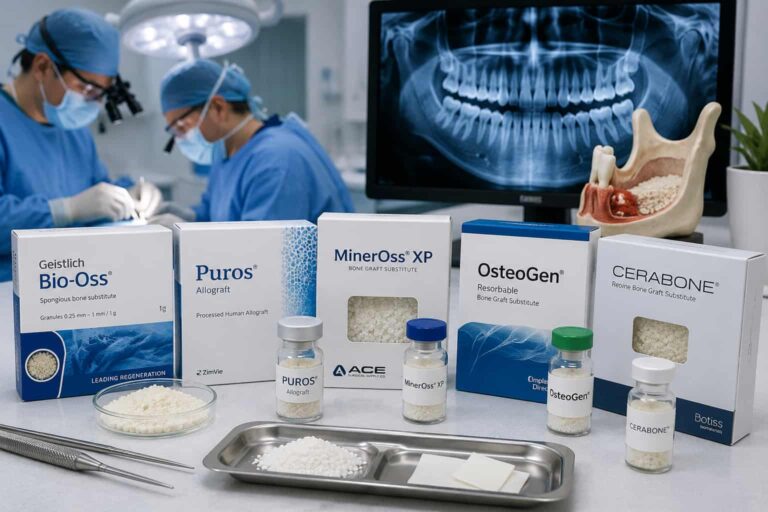
Missing teeth can affect much more than your smile. Over time, the jawbone begins to shrink because it no longer receives stimulation from the natural tooth root. When there isn’t enough healthy bone to support an implant, a bone graft for dental implants may be recommended.
At California Implant Dentist, we help patients restore both bone structure and beautiful smiles using advanced implant dentistry. If you’ve been told you need a bone graft before receiving dental implants, understanding the process can help you feel more confident about your treatment.
What Is a Bone Graft for Dental Implants?
A bone graft for dental implants is a procedure that rebuilds or strengthens the jawbone so it can securely support a dental implant.
Dental implants require sufficient bone density for long-term stability. If the jawbone has deteriorated due to tooth loss, gum disease, trauma, or infection, adding bone grafting material creates a stronger foundation for successful implant placement. Over time, the graft integrates with your natural bone, allowing new bone to form before or around the implant. Healing commonly takes several months, though timing varies by patient and treatment plan.
Also Read – How Much Do Dental Implants Cost in the USA? (2026 Guide)
Why Do Patients Need a Bone Graft?
Not everyone requires bone grafting before implant surgery. However, your dentist may recommend it if imaging shows insufficient bone volume.
Common reasons include:
- Tooth loss for an extended period
- Advanced gum disease
- Bone deterioration after extraction
- Facial injury or trauma
- Previous infection around a tooth
- Long-term denture wear
Using advanced 3D imaging, your implant dentist can determine whether your jawbone can adequately support a dental implant.
How Bone Loss Happens After Tooth Loss
Many patients are surprised to learn that bone loss begins soon after a tooth is lost.
The tooth root naturally stimulates the jawbone every time you chew. Once the root is gone, the body gradually reabsorbs the unused bone.
As bone shrinks, it can lead to:
- Sunken facial appearance
- Difficulty placing implants
- Changes in bite alignment
- Reduced support for neighboring teeth
Replacing missing teeth early can help preserve bone, but even patients with bone loss may still be candidates for implants after grafting.
Types of Bone Grafts Used
Depending on your needs, several grafting materials may be used.
Autograft
Bone taken from another area of your own body.
Advantages
- Excellent compatibility
- Encourages natural bone growth
Allograft
Processed donor bone from a certified tissue bank.
Advantages
- No second surgical site
- Commonly used
- Safe and predictable
Xenograft
Bone derived from animal sources, most commonly bovine bone.
Advantages
- Excellent scaffold for new bone
- Widely used in implant dentistry
Synthetic Bone Grafts
Biocompatible laboratory-made materials designed to support new bone formation.
Your implant surgeon will recommend the most appropriate option based on your clinical condition.
What Happens During the Procedure?
Bone grafting is typically performed under local anesthesia, with sedation options available for patient comfort.
The procedure generally includes:
- Numbing the treatment area
- Preparing the implant site
- Placing bone graft material
- Protecting the graft with a membrane when appropriate
- Closing the gums with sutures
Depending on the amount of bone required, the appointment often lasts between 45 minutes and two hours.
Recovery After Bone Grafting
Most patients recover comfortably with mild swelling and soreness for a few days.
Recovery tips include:
- Take prescribed medications
- Eat soft foods
- Avoid smoking
- Keep the area clean
- Attend follow-up appointments
The graft continues to mature beneath the gums over several months before implant placement if staged treatment is required.
Can Bone Grafting and Dental Implants Be Done Together?
Yes—in some cases.
If only a small amount of additional bone is needed, your implant dentist may perform bone grafting during the same appointment as implant placement.
For more extensive bone loss, the graft may need to heal before implants can be safely placed.
The best approach depends on:
- Bone quality
- Bone quantity
- Implant location
- Overall oral health
Benefits of Bone Grafting Before Dental Implants
A successful bone graft offers many advantages:
- Creates strong implant support
- Improves long-term implant success
- Preserves facial structure
- Enhances smile aesthetics
- Helps achieve natural-looking results
- Increases treatment options for patients previously told they were not implant candidates
Is Bone Grafting Painful?
Many patients expect bone grafting to be uncomfortable, but the procedure is generally well tolerated.
Local anesthesia prevents pain during surgery, and any post-operative discomfort is usually manageable with medication and proper aftercare.
Most patients return to normal daily activities within a day or two.
Who Is a Good Candidate?
You may benefit from a bone graft for dental implants if you:
- Have one or more missing teeth
- Have experienced jawbone loss
- Want a permanent tooth replacement
- Are generally healthy enough for oral surgery
- Maintain good oral hygiene
A comprehensive consultation, including digital imaging, will determine your candidacy.
Why Choose California Implant Dentist?
At California Implant Dentist, we provide advanced implant solutions tailored to each patient’s needs.
Our approach includes:
- Comprehensive implant evaluation
- Advanced 3D CBCT imaging
- Personalized treatment planning
- Modern bone grafting techniques
- Comfortable surgical experience
- Long-term follow-up care
Whether you need a single implant or a full-mouth restoration, our goal is to provide stable, long-lasting results with compassionate care.
Frequently Asked Questions
How long does a bone graft take to heal?
Healing commonly takes 3–6 months, although this varies depending on the size of the graft and individual healing.
Will I always need a bone graft before dental implants?
No. Many patients have enough healthy bone and can proceed directly to implant placement.
Can I receive sedation during the procedure?
Yes. Sedation options are often available to help patients feel relaxed during treatment.
Is bone grafting safe?
When performed by an experienced implant dentist, bone grafting is a well-established procedure with predictable outcomes when appropriate aftercare is followed.