Getting through dental implant surgery is a big step—but what happens after the procedure is just as important as the surgery itself. Over the years, I’ve seen patients who had flawless implant placement still struggle with recovery simply because they weren’t properly guided on aftercare.
If you’ve recently undergone dental implants or are planning to, understanding the healing process can make the difference between a smooth recovery and unnecessary complications.
Let’s walk through what actually matters during recovery—without the fluff.
Why Aftercare Matters More Than You Think
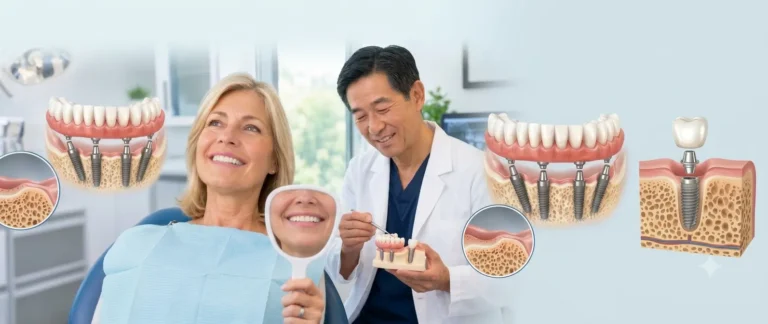
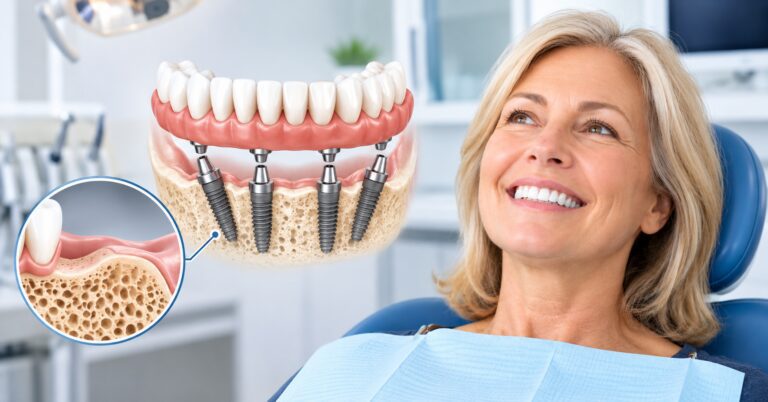
Dental implants aren’t just cosmetic fixes. They integrate with your jawbone in a process called osseointegration. That means your body needs time—and the right conditions—to heal properly.
Poor aftercare can lead to:
- Delayed healing
- Infection around the implant
- Implant failure (rare, but possible)
On the other hand, good aftercare supports long-term success, especially for patients getting dental implants Glendale CA, where modern techniques already give you a strong advantage.
What to Expect After Dental Implant Surgery
Let’s set realistic expectations.
First 24–48 Hours
You’ll likely experience:
- Mild bleeding
- Swelling around the gums and face
- Minor discomfort
This is completely normal after dental implant surgery. Most patients compare it to a tooth extraction—sometimes even easier.
First Week
- Swelling gradually reduces
- Gum tissue begins to heal
- You’ll still need to stick to soft foods
This is the phase where patients often make mistakes—like eating too soon or skipping oral hygiene.
2–6 Weeks
- Soft tissue healing continues
- Implant begins bonding with bone
You may feel “normal” at this point, but internally, healing is still in progress.
3–6 Months
- Full osseointegration occurs
- Implant becomes stable and permanent
This is when your dental implants truly become part of your body.
What to Eat for Faster Healing
Diet plays a bigger role than most people realize.
Stick to:
- Smoothies (no straw for first few days)
- Yogurt
- Mashed potatoes
- Scrambled eggs
- Soft rice or pasta
Avoid:
- Crunchy or hard foods
- Spicy dishes
- Extremely hot beverages
- Alcohol (at least 72 hours)
Patients getting dental implants Glendale CA are often advised to follow a soft diet longer if bone grafting is involved.
Managing Pain and Swelling the Right Way
You don’t need to “tough it out.” Smart management helps you heal faster.
- Use ice packs (15 minutes on/off for first 24 hours)
- Take prescribed medications on time
- Keep your head slightly elevated while resting
Pain should gradually decrease—not increase. If it worsens after a few days, it’s worth checking in.
Oral Hygiene: The Balance You Need
Here’s where many patients get confused.
You do need to keep the area clean—but gently.
Best practices:
- Avoid brushing directly over the implant for a few days
- Use a soft-bristled toothbrush
- Rinse with salt water (after 24 hours)
- Avoid harsh mouthwashes unless prescribed
Cleanliness is critical for the success of dental implant surgery, especially in the early stages.
Common Mistakes That Slow Healing
Even well-informed patients slip up here.
- Smoking too soon after surgery
- Drinking through a straw (can disrupt healing)
- Skipping follow-up visits
- Eating hard foods early
- Ignoring minor signs of infection
Smoking, in particular, is one of the biggest reasons implants fail. If you’re investing in dental implants, it’s worth pausing the habit—at least during recovery
Signs Your Implant Is Healing Properly
You don’t need to guess if things are going well.
Positive signs:
- Reduced swelling after 3–4 days
- Minimal pain after the first week
- No unusual discharge or odor
- Stable feeling around the implant site
Patients receiving dental implants Glendale CA often benefit from advanced imaging, making it easier for dentists to track healing accurately.
When to Call Your Dentist
While complications are rare, don’t ignore these signs:
- Persistent or severe pain
- Excessive bleeding after 48 hours
- Swelling that worsens instead of improving
- Fever or signs of infection
Early intervention can save your implant and prevent bigger issues.
Long-Term Care for Dental Implants
Healing doesn’t end after a few weeks.
To protect your investment in dental implant surgery, you’ll need:
- Regular dental checkups
- Professional cleanings
- Consistent oral hygiene at home
The good news? With proper care, dental implants can last decades—often a lifetime.
Why Patients Choose Dental Implants in Glendale CA
There’s a reason more patients are opting for dental implants Glendale CA.
- Advanced technology
- Experienced implant specialists
- Personalized treatment plans
- High success rates
But even the best surgical work depends on what you do after you leave the clinic.
Final Thoughts
If you’re considering dental implant surgery or need expert guidance on recovery, now is the right time to take action. Getting personalized care can make your healing smoother and your results more predictable.
Here’s the truth most clinics don’t emphasize enough:
The success of your dental implant surgery doesn’t end in the operating chair—it continues at home.
Take the recovery phase seriously. Follow instructions. Be patient with your body.
Do that, and your dental implants won’t just restore your smile—they’ll restore your confidence, comfort, and quality of life.
Request your appointment today and let experienced professionals guide you every step of the way.