If you’re researching all-on-4 dental implants, one of the first questions that likely comes to mind is cost. Replacing missing teeth is a significant investment, and understanding how all-on-4 dental implants compare to traditional implant solutions can help you make a more informed decision. While both options offer long-term benefits and a natural-looking smile, the total expense, treatment timeline, and additional procedures involved can vary considerably.
Patients visiting a trusted provider for dental implant Glendale treatments often want the most effective solution for restoring their smile while staying within budget. The good news is that modern implant dentistry offers several options designed to fit different clinical needs and financial situations.
Also Read – Dentist Perforated My Sinus and Didn’t Tell Me
Understanding All-on-4 Dental Implants
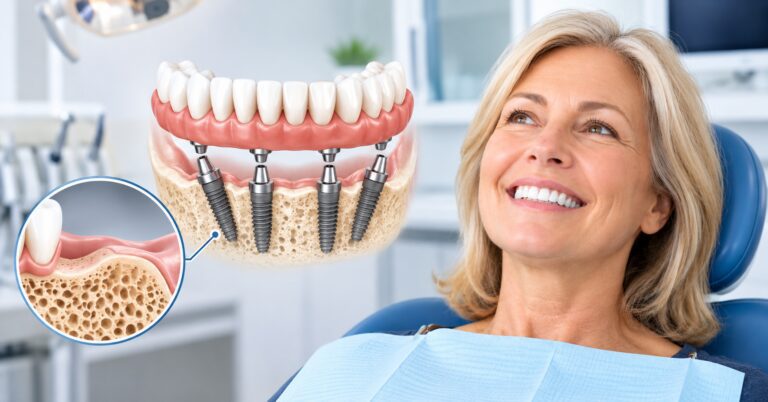
All-on-4 dental implants are a full-arch tooth replacement solution designed for patients who have lost most or all of their teeth. Instead of placing an implant for every missing tooth, this technique uses four strategically positioned implants to support an entire arch of prosthetic teeth.
The concept is simple yet highly effective. Two implants are placed vertically in the front of the jaw, while the two posterior implants are angled to maximize existing bone support. This approach often eliminates the need for extensive preparatory procedures while providing excellent stability.
Many patients choose all-on-4 dental implants because they can restore an entire upper or lower arch with fewer implants, reducing both treatment complexity and overall cost.
What Are Traditional Dental Implants?
Traditional dental implants are designed to replace individual missing teeth or multiple missing teeth using separate implants. Depending on the number of teeth being replaced, a patient may require several implants throughout the mouth.
For full-mouth restoration, traditional implant treatment may involve six, eight, or even more implants per arch. While this approach provides exceptional support and durability, it often requires additional surgeries and a longer treatment timeline.
Traditional implants remain an excellent option for many patients, especially when replacing a few missing teeth. However, when restoring an entire arch, the financial investment can be substantially higher than all-on-4 treatment.
Also Read – Help! My Husband Refuses to Wear His Dentures
Cost Comparison: All-on-4 vs. Traditional Implants
When evaluating treatment costs, it’s important to look beyond the initial price tag.
All-on-4 Dental Implant Costs
The cost of all-on-4 dental implants typically includes:
- Initial consultation and imaging
- Implant placement surgery
- Temporary prosthetic teeth
- Final restoration
- Follow-up appointments
Because only four implants are used per arch, surgical costs are generally lower. Fewer implants also mean fewer components, less chair time, and reduced laboratory expenses.
For patients seeking a complete smile restoration, all-on-4 dental implants are often considered one of the most cost-effective full-arch solutions available.
Traditional Implant Costs
Traditional implant treatment usually involves:
- Multiple implant placements
- Additional abutments and restorations
- Potential bone grafting procedures
- Longer treatment timelines
- More surgical appointments
Since more implants are required, costs can increase significantly. In many cases, traditional full-arch implant restorations may cost substantially more than all-on-4 treatment.
Why All-on-4 Often Costs Less
Several factors contribute to the lower overall cost of all-on-4 dental implants.
Fewer Implants Required
The most obvious difference is the number of implants used. Traditional full-arch restorations may require six to eight implants or more, while all-on-4 relies on only four implants to support the entire arch.
Fewer implants mean:
- Reduced surgical fees
- Lower material costs
- Shorter treatment times
- Less invasive procedures
Reduced Need for Bone Grafting
One major expense associated with traditional implant treatment is grafting for teeth.
When patients experience bone loss after tooth loss, the jawbone may not have sufficient density to support implants. In these situations, grafting for teeth becomes necessary to rebuild the bone structure before implant placement.
The angled design of all-on-4 dental implants allows providers to utilize existing bone more effectively. As a result, many patients who would otherwise require grafting for teeth can qualify for all-on-4 treatment without additional procedures.
Avoiding grafting for teeth can save both time and money while reducing the overall treatment timeline.
Fewer Surgical Procedures
Traditional implant treatment often involves multiple stages, including:
- Bone grafting (if needed)
- Healing period
- Implant placement
- Additional healing
- Final restoration
All-on-4 treatment can frequently streamline this process into fewer appointments, reducing both clinical costs and recovery time.
Long-Term Value Considerations
While cost is important, long-term value should also be part of the decision-making process.
Durability
Both all-on-4 and traditional implants are designed to provide long-lasting results. With proper care, implants can last decades and may even last a lifetime.
The prosthetic teeth attached to the implants may require maintenance or replacement over time, but the implant foundations themselves have an excellent success rate.
Oral Health Benefits
Dental implants help preserve jawbone density, support facial structure, and improve chewing function.
Compared to removable dentures, implant-supported restorations offer:
- Greater stability
- Better comfort
- Improved speech
- Enhanced confidence
These benefits often justify the initial investment for many patients.
Reduced Future Dental Costs
Missing teeth can contribute to additional oral health problems over time. Adjacent teeth may shift, bite alignment can change, and bone loss may worsen.
By replacing missing teeth promptly, patients can often avoid future corrective treatments that could become more expensive later.
The Role of Bone Grafting in Implant Costs
Bone grafting deserves special attention because it can significantly influence treatment expenses.
What Is Grafting for Teeth?
Grafting for teeth involves adding bone material to areas where the jawbone has deteriorated. The goal is to create a stable foundation capable of supporting dental implants.
Bone loss commonly occurs due to:
- Long-term tooth loss
- Periodontal disease
- Trauma
- Denture use
Additional Costs Associated with Grafting
Grafting procedures can add:
- Surgical fees
- Material costs
- Recovery time
- Additional appointments
Patients undergoing traditional implant treatment often require grafting before implants can be placed.
Because all-on-4 dental implants are designed to maximize available bone, many patients can avoid grafting altogether, leading to meaningful savings.
Recovery Time and Financial Impact
Treatment costs are not limited to dental fees alone.
Many patients also consider:
- Time away from work
- Travel expenses
- Number of appointments
- Recovery periods
All-on-4 dental implants typically involve fewer procedures and shorter treatment timelines, allowing patients to return to their normal routines more quickly.
This indirect financial benefit is often overlooked but can be substantial for working professionals and busy families.
Who Is a Better Candidate for All-on-4?
All-on-4 dental implants are often recommended for patients who:
- Have multiple missing teeth
- Need full-arch restoration
- Have moderate bone loss
- Want a fixed alternative to dentures
- Wish to minimize grafting procedures
A qualified dental implant Glendale specialist can determine whether this approach is appropriate based on your oral health, bone structure, and treatment goals.
When Traditional Implants May Be Worth the Additional Cost
Traditional implants still provide significant advantages in certain situations.
They may be preferable when:
- Only one or two teeth need replacement
- Patients have excellent bone density
- Individual tooth restoration is desired
- Extensive customization is required
In these cases, traditional implants may offer the most conservative and effective solution despite higher per-tooth costs.
Choosing the Right Implant Provider
The success of any implant procedure depends heavily on the experience and expertise of the dental team.
When selecting a provider, consider:
- Advanced training in implant dentistry
- Experience with full-arch restorations
- Digital treatment planning technology
- Before-and-after case results
- Patient reviews and testimonials
An experienced dental implant Glendale provider can evaluate your needs and recommend the most cost-effective treatment option without compromising quality.
Read Our Latest Blog:- https://californiaimplantdentist.com/blog/implant-supported-dentures-secure-alternative-to-loose-dentures/
Final Thoughts
So, how do all-on-4 dental implants compare to traditional implants in cost? For patients needing full-arch restoration, all-on-4 dental implants are often the more economical option. By using fewer implants, reducing surgical complexity, and minimizing the need for grafting for teeth, this treatment can provide substantial savings while still delivering exceptional function and aesthetics.
Traditional implants remain an outstanding solution for many situations, particularly when replacing individual teeth. However, for full-mouth rehabilitation, all-on-4 dental implants frequently offer a more efficient balance of cost, convenience, and long-term value.
The best way to determine which option is right for you is to schedule a consultation with a trusted dental implant Glendale specialist who can assess your oral health and create a personalized treatment plan designed to restore your smile with confidence.