Dental implants are widely considered the gold standard for replacing missing teeth because they look, feel, and function like natural teeth. While traditional dental implants have delivered reliable results for decades, advances in dental technology have introduced newer techniques that improve precision, comfort, and treatment efficiency.
If you’re considering implant treatment, understanding the differences between advanced dental implants and traditional dental implants can help you make a more informed decision.
Also Read – How Much Do Dental Implants Cost in the USA? (2026 Guide)
What Are Traditional Dental Implants?
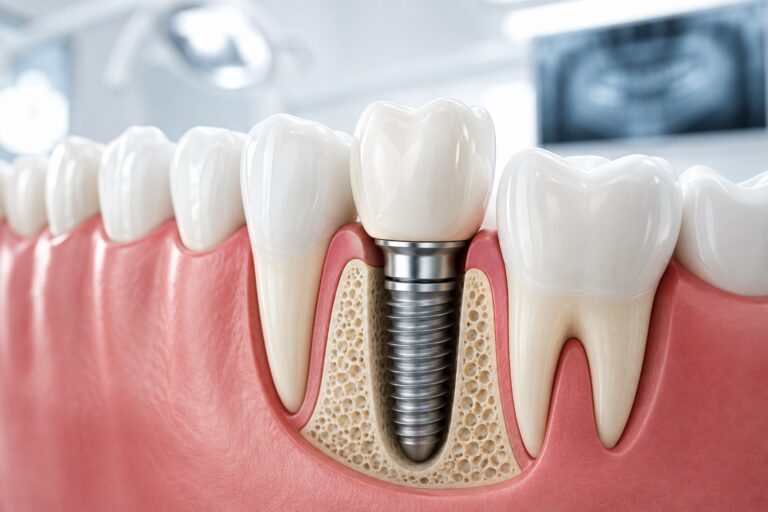
Traditional dental implants involve placing a titanium implant into the jawbone, where it fuses with the bone through a natural healing process called osseointegration. After healing, which usually takes several months, a custom-made crown is attached to complete the restoration.
This approach has been used successfully for many years and remains an excellent option for patients with healthy gums and sufficient jawbone.
Also Read – Dentist Perforated My Sinus and Didn’t Tell Me
What Are Advanced Dental Implants?
Advanced dental implants use modern technology to improve every stage of treatment—from diagnosis and planning to surgery and final restoration.
These treatments may include:
- 3D CBCT imaging
- Computer-guided implant placement
- Digital impressions
- Same-day implant solutions
- Minimally invasive surgical techniques
These innovations help dentists place implants more accurately while improving patient comfort and reducing recovery time.
Also Read – Help! My Husband Refuses to Wear His Dentures
Advanced Dental Implants vs Traditional Dental Implants
1. Treatment Planning
One of the biggest differences is how the procedure is planned.
Traditional implant treatment generally relies on standard X-rays and physical impressions. Advanced dental implants use detailed 3D scans and digital treatment planning, allowing the dentist to evaluate bone quality, identify important anatomical structures, and determine the ideal implant position before surgery begins.
This level of planning improves both safety and precision.
2. Surgical Precision
Advanced implant procedures often use computer-guided technology to assist with implant placement.
This provides several benefits, including:
- More accurate implant positioning
- Smaller surgical incisions
- Better alignment for the final restoration
- Reduced risk of complications
Traditional implant surgery is still highly effective but depends more heavily on the clinician’s manual technique during the procedure.
3. Recovery Time
Because advanced implant procedures are often less invasive, many patients experience a smoother recovery.
Potential benefits include:
- Less swelling
- Reduced discomfort
- Faster healing
- Quicker return to normal activities
Recovery varies for every patient, but modern techniques are designed to minimize trauma to surrounding tissues.
4. Suitable for Complex Cases
Advanced dental implants are especially beneficial for patients with more challenging dental conditions, such as:
- Significant bone loss
- Multiple missing teeth
- Full-mouth tooth replacement
- Previous implant complications
Digital planning allows implant specialists to develop customized treatment plans that address these complex situations with greater confidence.
5. Same-Day Teeth
Traditional implant treatment usually requires a healing period before the permanent crown is attached.
With advanced implant techniques, some patients may qualify for same-day temporary teeth, allowing them to leave the office with an improved smile immediately after surgery. Eligibility depends on bone quality, implant stability, and overall oral health.
Also Read – Glendale, CA Snap-on Dentures
Benefits of Advanced Dental Implants
Advanced dental implants offer several advantages:
- Highly accurate implant placement
- Improved treatment planning
- Faster recovery in many cases
- Natural-looking results
- Increased patient comfort
- Better outcomes for complex cases
- Long-lasting function and stability
These benefits make advanced implant dentistry an attractive option for patients seeking modern, predictable care.
Benefits of Traditional Dental Implants
Traditional dental implants continue to be an excellent treatment because they provide:
- Proven long-term success
- Durable tooth replacement
- Natural appearance
- Strong chewing ability
- Reliable clinical outcomes
For many patients, traditional implants remain a dependable solution for restoring missing teeth.
Cost Considerations
Advanced dental implants may involve additional technology, specialized equipment, and digital planning, which can increase the initial cost. However, many patients consider the investment worthwhile because of improved precision, greater comfort, and the potential for fewer complications.
The total cost depends on several factors, including the number of implants required, bone grafting needs, and the complexity of the case.
Which Option Is Right for You?
Both traditional and advanced dental implants are excellent solutions for replacing missing teeth. The right choice depends on your oral health, jawbone condition, treatment goals, and budget.
Patients looking for the latest technology, faster recovery, or treatment for complex cases may benefit from advanced dental implant techniques. Those with straightforward implant needs may achieve equally successful results with traditional implants.
An experienced implant dentist can evaluate your individual situation and recommend the most appropriate treatment plan.
Frequently Asked Questions
Are advanced dental implants better than traditional implants?
Advanced dental implants use modern technology to improve planning, accuracy, and patient comfort. While both options are highly successful, advanced techniques may offer additional benefits in certain cases.
Do advanced dental implants heal faster?
Many patients experience a quicker and more comfortable recovery because advanced procedures are often minimally invasive.
Are advanced dental implants more expensive?
They may cost more due to digital imaging and guided surgical technology, but many patients value the added precision and long-term benefits.