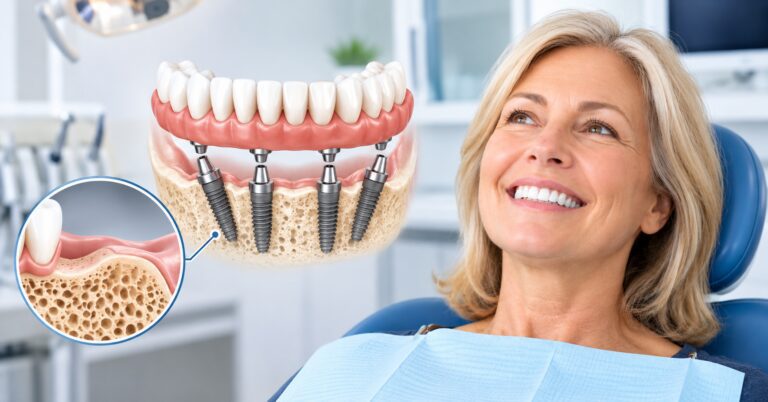
Missing teeth can affect much more than your smile. They can make chewing difficult, change the way you speak, and gradually affect the health and appearance of your jawbone. For many people, dental implants offer a long-term solution that looks and functions much like natural teeth.
But are dental implants right for everyone?
The answer depends on your oral health, overall health, bone structure, lifestyle, and treatment goals. If you are considering replacing one or more missing teeth, the following 10 signs may indicate that you could be a good candidate for dental implants.
1. You Have One or More Missing Teeth
The most obvious sign is having a missing tooth or several missing teeth.
Dental implants can be used to replace:
- A single missing tooth
- Several missing teeth
- Multiple teeth with an implant-supported bridge
- An entire arch of missing teeth with an implant-supported restoration
Unlike traditional removable dentures, dental implants are anchored into the jawbone to provide a stable foundation for replacement teeth.
If you have been living with missing teeth for some time, an implant consultation can help determine which replacement option is appropriate for your situation.
2. You Want a Permanent Tooth Replacement Option
If you are tired of removable dentures or temporary dental solutions, you may want to consider dental implants.
A dental implant consists of a small titanium or other biocompatible implant post that is placed into the jawbone. After the implant integrates with the surrounding bone, it can support an abutment and dental crown, bridge, or other restoration.
This provides a secure foundation and eliminates the need for a removable appliance in many cases.
Dental implants are designed as a long-term tooth replacement solution, although the restoration and implant require proper care and regular dental visits.
3. You Have Healthy Gums—or Are Willing to Treat Gum Disease
Healthy gums are important for successful dental implant treatment.
Active gum disease can affect the tissues and bone supporting your teeth and may increase the risk of implant complications. If you have periodontal disease, your dentist or implant specialist may recommend treating and stabilizing the condition before implant placement.
This doesn’t necessarily mean you cannot receive implants. It simply means your oral health may need to be addressed first.
4. You Have Enough Jawbone to Support an Implant
Dental implants depend on the jawbone for stability. When a tooth has been missing for a long time, the surrounding bone can gradually shrink because it is no longer being stimulated by a natural tooth root.
Your implant specialist may use dental imaging, such as a 3D CBCT scan, to evaluate your available bone and determine whether there is enough volume and density for implant placement.
If you have experienced bone loss, you may still have treatment options. Depending on your individual situation, procedures such as bone grafting may be considered before or during implant treatment.
5. You Are Looking for Better Chewing Function
Missing teeth can make it difficult to eat certain foods comfortably.
Because implants are anchored into the jaw, implant-supported teeth can provide considerably more stability than traditional removable dentures. This can make everyday activities such as biting and chewing more comfortable.
If you find yourself avoiding certain foods because of missing teeth or an unstable denture, dental implants may be worth discussing with an implant specialist.
6. You Want to Protect Your Remaining Teeth
A missing tooth can affect more than the space where the tooth used to be.
When a tooth is lost, neighboring teeth may gradually shift toward the empty space. Depending on the location of the missing tooth, this can affect your bite and make cleaning certain areas more difficult.
Replacing a missing tooth with an implant-supported restoration can help restore the missing tooth without requiring the adjacent healthy teeth to be reduced for a traditional tooth-supported bridge.
Your dentist can determine whether an implant is appropriate based on the condition and position of your remaining teeth.
7. You Are in Generally Good Health
Dental implant treatment involves a surgical procedure, so your overall health is an important consideration.
Certain medical conditions, medications, and lifestyle factors can affect healing and implant treatment. During your consultation, your dental professional should review your medical history and discuss any factors that could affect your treatment.
Being older does not automatically disqualify you from dental implants. Age alone is generally less important than your overall health, bone condition, and ability to heal.
8. You Are Committed to Good Oral Hygiene
Dental implants are not maintenance-free.
Even though an implant replaces the root of a missing tooth, you still need to care for the surrounding gums and restoration. Regular brushing, flossing or other recommended cleaning methods, and professional dental visits are essential.
If you are committed to maintaining your oral health, you are taking an important step toward protecting your investment in dental implants.
9. You Don’t Smoke or Are Willing to Stop
Smoking can interfere with healing and may increase the risk of complications associated with dental implants.
If you smoke, your implant specialist may recommend reducing or stopping tobacco use before and after treatment. The specific recommendations will depend on your health and treatment plan.
Being willing to make lifestyle changes can improve your ability to proceed safely with implant treatment.
10. You Have Realistic Expectations About Dental Implant Treatment
Dental implants can provide an excellent way to replace missing teeth, but treatment is not identical for every patient.
Some people may receive an implant relatively quickly, while others may require additional procedures or a longer healing period. Factors such as bone availability, gum health, the number of missing teeth, and your individual treatment plan can affect the process.
A good implant candidate understands that successful treatment requires careful planning, proper healing, and ongoing maintenance.
Are Dental Implants Right for You?
If several of these signs describe your situation, you may be a potential candidate for dental implants. However, the only way to determine whether implants are appropriate is through a comprehensive evaluation by a qualified dental professional.
During an implant consultation, your provider may evaluate:
- Your teeth and gums
- Jawbone volume and quality
- Bite and tooth alignment
- Overall health and medical history
- Number and location of missing teeth
- Previous dental treatments
- Your goals and expectations
Advanced imaging, including 3D CBCT technology when appropriate, can also help your implant specialist evaluate your anatomy and develop a personalized treatment plan.
What If You Don’t Have Enough Bone for Dental Implants?
Insufficient bone does not always mean that dental implants are impossible.
Depending on the location and extent of bone loss, your implant specialist may discuss procedures designed to improve the available bone before implant placement. The appropriate approach varies from patient to patient, which is why an individualized evaluation is important.
Take the Next Step Toward Replacing Missing Teeth
Living with missing teeth can affect your confidence, comfort, and everyday life. If you have been considering dental implants, understanding your candidacy is the first step.
The best candidates for dental implants are generally patients with suitable bone and gum health, good overall health, realistic expectations, and a commitment to maintaining their oral hygiene.
If you’re unsure whether dental implants are right for you, schedule an evaluation with an experienced implant dentist. A personalized examination can help you understand your options and determine the most appropriate approach for restoring your smile and chewing function.
Frequently Asked Questions
- How do I know if I am a good candidate for dental implants?
You may be a good candidate if you have missing teeth, adequate bone to support implants, healthy or treatable gums, and good overall health. A professional examination and appropriate imaging are needed to confirm candidacy. - Can I get dental implants if I have bone loss?
Possibly. Some patients with bone loss may be candidates for bone grafting or other procedures before implant placement. Your implant specialist can evaluate your bone structure and discuss available options. - Is there an age limit for dental implants?
There is not a simple maximum age for dental implants. Overall health, bone condition, oral health, and healing ability are generally more important than age alone. - Can smokers get dental implants?
Smoking can increase risks associated with healing and implant treatment. Your dentist may recommend quitting or reducing tobacco use before and after implant surgery. - How long do dental implants last?
Dental implants are designed to be a long-term tooth replacement solution. Their longevity depends on factors including oral hygiene, overall health, implant placement, bite forces, and regular professional maintenance.