Dental implants are one of the most reliable and long-lasting solutions for replacing missing teeth. One of the most common questions patients ask before treatment is, “How long does it take to heal after dental implant surgery?“
The answer depends on several factors, including your oral health, the complexity of your procedure, and how well you follow your dentist’s post-operative instructions. While many patients feel significantly better within a few days, complete healing of the implant and jawbone can take several months.
In this guide, we’ll explain the healing timeline, what to expect during recovery, and practical tips to help ensure the best possible outcome.
Also Read – Dentist Perforated My Sinus and Didn’t Tell Me
Understanding Dental Implant Healing
Dental implant healing happens in two stages:
- Soft tissue healing (gums)
- Bone healing (Osseointegration)
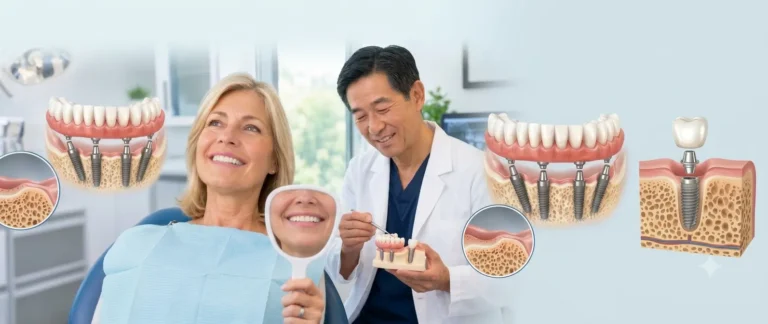
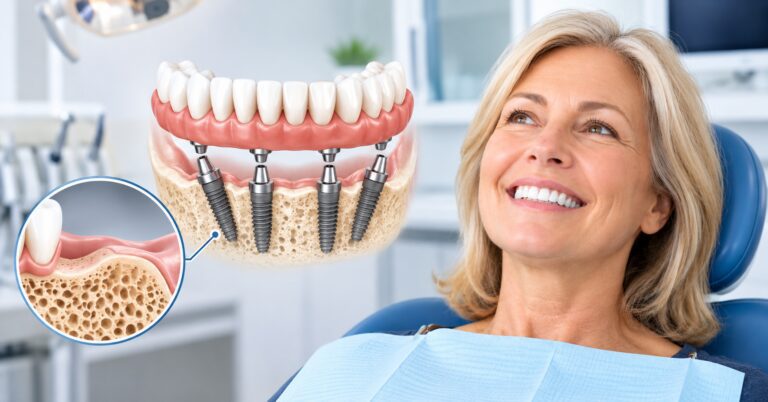
The first stage occurs within the first few weeks after surgery, while the second stage takes longer as the titanium implant gradually fuses with the jawbone. This biological process creates the stable foundation needed to support a replacement tooth.
Dental Implant Healing Timeline
First 24 Hours
Immediately after surgery, it is normal to experience:
- Mild bleeding
- Swelling
- Minor discomfort
- Tenderness around the implant
Your dentist may recommend:
- Ice packs
- Rest
- Prescribed or over-the-counter pain medication
- Avoiding strenuous activity
During this period, avoid smoking, drinking through a straw, or eating hard foods.
Days 2–7
Swelling usually peaks during the second or third day before gradually improving.
During this week:
- Pain becomes more manageable.
- Soft foods are recommended.
- Most patients return to work within 1–3 days.
- The surgical site begins to close.
Good oral hygiene is essential, but be gentle around the implant area.
Weeks 2–4
By the second week:
- Gum tissue continues healing.
- Most discomfort has disappeared.
- Swelling is greatly reduced.
- Normal daily activities usually resume.
Many patients feel almost completely recovered during this stage, even though the implant is still healing beneath the surface.
Months 3–6
This is the most important stage of healing.
During these months:
- The implant bonds with your jawbone.
- Bone grows around the implant.
- Stability increases significantly.
This process is called osseointegration, and it determines the long-term success of your implant.
Once healing is complete, your dentist places the permanent dental crown.
Also Read – Help! My Husband Refuses to Wear His Dentures
Factors That Affect Healing Time
Every patient heals differently.
Several factors can influence recovery, including:
Bone Quality
Patients with healthy jawbone often heal more quickly than those requiring bone grafting.
Overall Health
Medical conditions such as uncontrolled diabetes or immune disorders may slow healing.
Smoking
Smoking significantly reduces blood flow to the gums and increases the risk of implant failure.
Patients who quit smoking before and after surgery generally experience better outcomes.
Oral Hygiene
Keeping the implant area clean helps prevent infection and supports faster healing.
Daily brushing, flossing, and professional cleanings are essential.
Number of Implants
Receiving multiple implants or a full-arch restoration may require a slightly longer recovery than replacing a single tooth.
What Can You Eat During Recovery?
Choosing the right foods helps protect the surgical site.
First Few Days
Eat:
- Yogurt
- Applesauce
- Smoothies (without straws)
- Mashed potatoes
- Soup (lukewarm)
- Scrambled eggs
After One Week
Gradually introduce:
- Pasta
- Rice
- Soft vegetables
- Fish
- Oatmeal
Avoid
- Hard candy
- Nuts
- Chips
- Popcorn
- Steak
- Sticky foods
Your dentist will advise when it’s safe to return to your normal diet.
Tips for Faster Healing
Following your dentist’s instructions can improve recovery and reduce complications.
Helpful Tips
- Rest for the first 24 hours.
- Apply ice packs to reduce swelling.
- Take medications as directed.
- Stay hydrated.
- Eat nutritious soft foods.
- Avoid smoking and vaping.
- Limit alcohol during healing.
- Brush gently around the implant.
- Attend all follow-up appointments.
These simple habits support healthy healing and long-term implant success.
Signs Your Implant Is Healing Normally
Healthy healing typically includes:
- Mild swelling
- Minor bruising
- Slight tenderness
- Gradually improving comfort
- Healthy pink gums
These symptoms usually improve each day.
Warning Signs to Watch For
Although complications are uncommon, contact your dentist if you notice:
- Severe or worsening pain
- Persistent heavy bleeding
- Fever
- Pus around the implant
- Implant movement
- Swelling that worsens after several days
- Bad taste or persistent bad breath
Early treatment helps prevent more serious problems.
When Can You Get the Final Crown?
Most patients receive their permanent crown after 3 to 6 months, once the implant has completely fused with the jawbone.
Some candidates may qualify for same-day dental implants, but traditional healing often provides the most predictable long-term results.
Your dentist will determine the right timeline based on your individual healing progress.
Frequently Asked Questions
Is dental implant surgery painful?
Most patients report only mild to moderate discomfort, which is usually manageable with prescribed or over-the-counter pain medication.
How long does swelling last?
Swelling typically peaks within 48–72 hours and improves over the following week.
When can I return to work?
Many patients return to work within 1 to 3 days, depending on the complexity of the procedure and the nature of their job.
Can I exercise after implant surgery?
Avoid strenuous exercise for at least 48–72 hours or as directed by your dentist.
How long until the implant feels normal?
Most patients feel comfortable within a few weeks, but complete bone healing generally takes 3 to 6 months.
Why Choosing an Experienced Implant Dentist Matters
Successful healing depends not only on your body’s recovery but also on proper treatment planning and precise implant placement. An experienced implant dentist uses advanced imaging, carefully evaluates bone health, and creates a personalized treatment plan to maximize long-term success.
If you’re considering dental implant surgery, choosing a provider with extensive implant experience can help improve comfort, healing, and overall treatment outcomes.