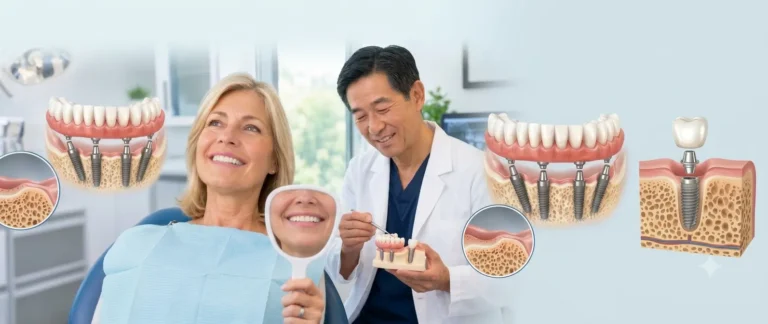
Missing teeth can impact your confidence, oral health, and ability to enjoy your favorite foods. While traditional dental implants are a popular long-term tooth replacement solution, some patients may benefit from a smaller, less invasive alternative known as mini dental implants.
Mini dental implants are designed to provide stability for missing teeth, loose dentures, and small tooth restorations. They use smaller implant posts compared to conventional implants and often require a simpler placement process.
But are mini dental implants the right choice for you? Understanding their benefits, cost, procedure, and candidacy requirements can help you make an informed decision with your dentist.
Also Read – 4 Reasons to Consider a Palateless Denture
What Are Mini Dental Implants?
Mini dental implants (MDIs) are smaller versions of traditional dental implants used to replace missing teeth or stabilize removable dentures.
Like standard implants, mini implants are made from biocompatible materials such as titanium and are placed into the jawbone to act as artificial tooth roots.
The main difference is their size:
- Traditional dental implants generally have a larger diameter
- Mini dental implants are narrower and require less space for placement
Because of their smaller size, mini implants can often be placed with less invasive techniques and may be suitable for patients with limited bone availability.
How Do Mini Dental Implants Work?
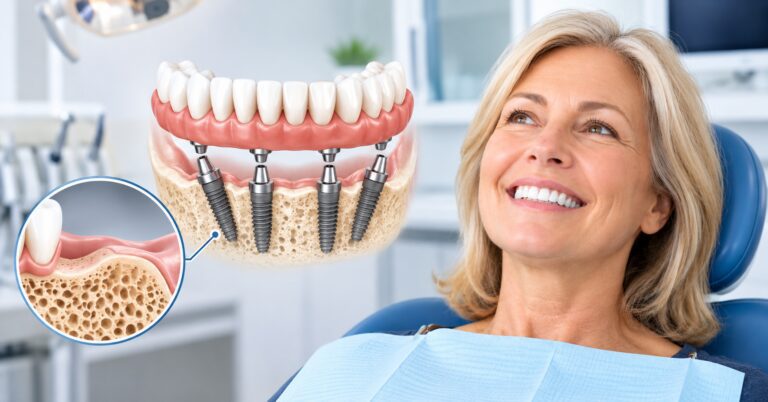
The mini dental implant procedure involves placing small titanium posts into the jawbone. These posts provide support for:
- Dentures
- Dental crowns
- Small bridges
- Replacement teeth
Once the implants are secured, a dental restoration is attached to create a more stable and functional smile.
For denture patients, mini dental implants can help prevent dentures from slipping while eating or speaking.
Also Read – Which Dental Sedation Should I Choose?
Benefits of Mini Dental Implants
Mini dental implants offer several advantages for eligible patients.
1. Less Invasive Procedure
Because mini implants are smaller than traditional implants, the placement process usually requires less bone preparation.
Benefits may include:
- Smaller surgical sites
- Reduced discomfort
- Faster recovery time
2. Faster Treatment Process
Many patients appreciate that mini dental implants can often be placed quickly compared to conventional implant procedures.
In some cases, patients may receive supported restorations shortly after implant placement, depending on their individual situation.
3. Helps Stabilize Loose Dentures
One of the most common uses of mini dental implants is improving denture stability.
Mini implants can help dentures:
- Stay securely in place
- Improve chewing ability
- Reduce movement while speaking
- Increase confidence
4. Suitable for Patients With Reduced Bone Volume
Traditional dental implants may require sufficient jawbone density. Mini dental implants may be considered for some patients with limited bone structure.
However, a dental evaluation is necessary to determine whether they are appropriate.
5. More Affordable Tooth Replacement Option
The cost of mini dental implants is often lower than traditional implants because they may require fewer procedures and less complex treatment.
However, pricing depends on your specific dental needs.
Mini Dental Implants Cost
The cost of mini dental implants varies based on factors such as:
- Number of implants needed
- Type of restoration used
- Location of the dental practice
- Dentist’s experience
- Additional procedures required
On average, mini dental implants may cost between $500 and $1,500 per implant. Full treatment costs can vary depending on whether implants are supporting dentures, crowns, or other restorations.
Your dentist can provide an accurate estimate after evaluating your oral health.
Who Is a Good Candidate for Mini Dental Implants?
You may be a candidate for mini dental implants if you:
- Have missing teeth
- Need better denture stability
- Have limited space for traditional implants
- Prefer a minimally invasive treatment option
- Have healthy gums
- Are looking for a faster tooth replacement solution
However, mini implants are not suitable for everyone. A dentist will evaluate:
- Jawbone condition
- Bite strength
- Oral health
- Overall medical history
- Your specific restoration goals
Who May Not Be Suitable for Mini Dental Implants?
Mini dental implants may not be recommended for patients who:
- Need to replace multiple back teeth that experience heavy chewing pressure
- Have uncontrolled gum disease
- Have insufficient bone support
- Have certain medical conditions affecting healing
Your dentist can recommend alternative treatments if mini implants are not the best option.
Mini Dental Implant Procedure: What to Expect
Step 1: Dental Examination
Your dentist will perform:
- Oral examination
- Dental X-rays
- Bite evaluation
- Treatment planning
Step 2: Implant Placement
The mini implants are carefully placed into the jawbone using a minimally invasive technique.
Step 3: Restoration Attachment
After placement, your dentist will attach the appropriate restoration, such as a denture attachment, crown, or bridge.
Step 4: Follow-Up Care
Regular dental visits help ensure your implants remain healthy and functional.
How Long Do Mini Dental Implants Last?
With proper care, mini dental implants can provide long-lasting results. Their lifespan depends on factors such as:
- Oral hygiene habits
- Regular dental checkups
- Bite pressure
- Lifestyle habits
- Overall health
Maintaining good oral hygiene and following your dentist’s recommendations can help extend the life of your implants.
Are Mini Dental Implants Better Than Dentures?
Mini dental implants and traditional dentures serve different purposes.
Traditional dentures are removable and rest on the gums, while mini implants provide additional support by anchoring the denture in place.
Patients who struggle with:
- Loose dentures
- Difficulty eating
- Denture discomfort
may find mini dental implants provide improved stability and confidence.
Frequently Asked Questions About Mini Dental Implants
Are mini dental implants painful?
Mini dental implant placement is generally performed using local anesthesia. Most patients experience mild discomfort during recovery.
How long does the mini dental implant procedure take?
The procedure time depends on the number of implants needed, but mini implant placement is typically quicker than traditional implant surgery.
Can mini dental implants replace missing teeth?
Yes, mini dental implants can support certain tooth replacements, including crowns, bridges, and dentures.
Are mini dental implants permanent?
Mini dental implants are designed to be a long-term tooth replacement solution when properly maintained.