Losing a tooth can affect much more than just your smile. A missing tooth may impact your confidence, ability to chew properly, speech, and overall oral health. Fortunately, modern dentistry offers a long-lasting and natural-looking solution through single-tooth dental implants.
Unlike removable dentures or traditional bridges, dental implants provide a permanent replacement that looks, feels, and functions like a natural tooth. Whether tooth loss occurs due to injury, decay, gum disease, or ageing, a single tooth implant can restore both appearance and function while protecting long-term oral health.
In this article, we’ll explore what single tooth dental implants are, how they work, their benefits, the procedure, the recovery process, and why they are considered one of the best tooth replacement options available today.
What is a single-tooth dental implant?
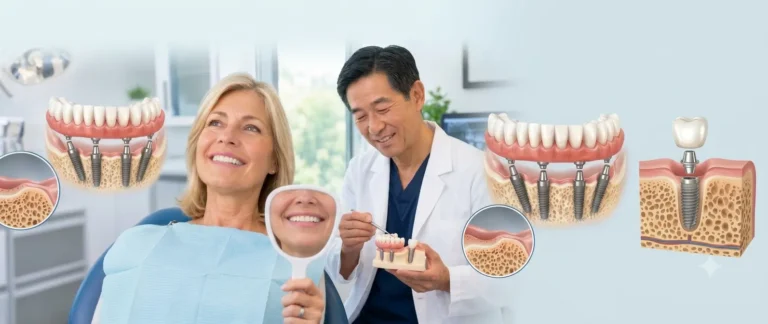
A single-tooth dental implant is a replacement for one missing tooth. It consists of three main components:
- Implant post
- Abutment
- Dental crown
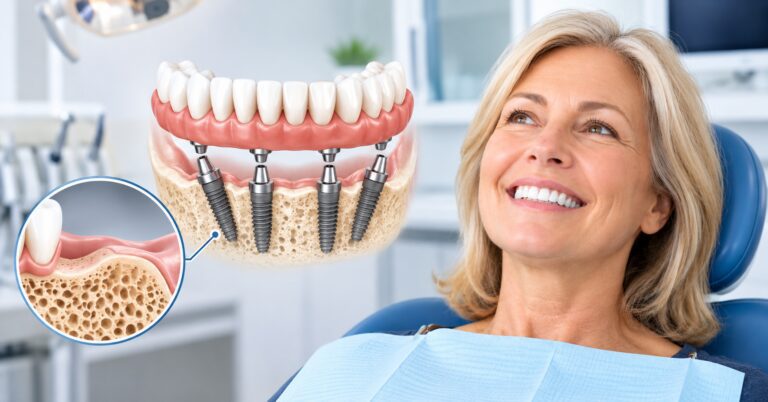
The implant post is usually made of titanium and is surgically placed into the jawbone where the missing tooth root once existed. Over time, the implant fuses with the bone through a process called osseointegration.
Once healing is complete, the dentist attaches an abutment and a custom-made dental crown that matches the surrounding teeth.
The result is a secure, natural-looking artificial tooth that functions much like a real one.
Why Replacing a Missing Tooth Is Important
Some people believe that losing one tooth is not a serious issue, especially if the gap is not visible. However, even a single missing tooth can create long-term dental problems.
Bone Loss in the Jaw
When a tooth is missing, the jawbone underneath no longer receives stimulation from chewing. Over time, this can lead to bone deterioration.
Shifting Teeth
Nearby teeth may gradually move into the space, causing alignment issues and bite problems.
Difficulty Chewing
A missing tooth can make eating uncomfortable or less efficient, especially when chewing harder foods.
Speech Changes
Depending on the location of the missing tooth, speech clarity may be affected.
Reduced Confidence
Many people feel self-conscious about gaps in their smile, which can affect social interactions and self-esteem.
Replacing a missing tooth early can help prevent these complications.
Read our latest blog: https://californiaimplantdentist.com/blog/what-are-dental-implants-how-they-work-and-who-needs-them/
Benefits of Single Tooth Dental Implants
Single tooth implants are considered the gold standard for tooth replacement because of their durability, functionality, and appearance.
Natural Appearance
Dental implants are designed to blend seamlessly with natural teeth. The crown is customised to match the shape, size, and colour of surrounding teeth.
Permanent and Long-Lasting
With proper care, dental implants can last for decades and may even last a lifetime.
Improved Chewing and Speaking
Because implants are securely anchored into the jawbone, they function much like natural teeth. Patients can eat and speak comfortably without worrying about slipping or movement.
Prevents Bone Loss
The implant stimulates the jawbone similarly to a natural tooth root, helping preserve bone density.
Protects Surrounding Teeth
Unlike traditional dental bridges, implants do not require grinding down adjacent healthy teeth for support.
Comfortable and Stable
Since implants become part of the jawbone, they feel stable and natural compared to removable dentures.
Who Is a Good Candidate for a Single Tooth Implant?
Most healthy adults with one missing tooth may qualify for dental implants. However, certain factors influence eligibility.
Good candidates generally have:
- Healthy gums
- Adequate jawbone density
- Good oral hygiene habits
- No uncontrolled chronic illnesses
- Non-smoking or willingness to stop smoking during healing
In cases where bone loss has already occurred, bone grafting procedures may help prepare the jaw for implant placement.
A dentist or implant specialist will evaluate the patient through X-rays or 3D scans before recommending treatment.
The Single Tooth Implant Procedure
The dental implant process usually occurs in several stages over a few months.
Initial Consultation
The dentist examines the mouth, reviews medical history, and takes imaging scans to assess bone structure and treatment suitability.
Implant Placement Surgery
During the procedure, the titanium implant post is surgically inserted into the jawbone.
The surgery is typically performed under local anaesthesia, and many patients report minimal discomfort.
Healing and Osseointegration
The healing process may take several months as the implant fuses with the bone. This creates a strong and stable foundation.
Abutment Placement
Once healing is complete, the dentist attaches the abutment, which connects the implant to the crown.
Crown Placement
Finally, a custom dental crown is secured onto the implant, completing the restoration.
Recovery After Dental Implant Surgery
Recovery from single tooth implant surgery is usually manageable.
Common temporary symptoms may include:
- Mild swelling
- Minor discomfort
- Bruising
- Gum tenderness
Most patients return to normal activities within a day or two.
Dentists may recommend:
- Soft foods during early healing
- Ice packs for swelling
- Good oral hygiene practices
- Avoiding smoking and alcohol during recovery
Following aftercare instructions carefully helps support successful healing.
How Long Do Dental Implants Last?
One of the biggest advantages of dental implants is their long lifespan.
With proper care, implants can remain successful for many years. Maintaining oral health is essential for long-term success.
Tips for implant care include:
- Brushing twice daily
- Flossing regularly
- Routine dental checkups
- Avoiding tobacco products
- Wearing a mouthguard if grinding teeth
While the crown may eventually need replacement due to normal wear, the implant itself often remains intact for decades.
Dental Implants vs Traditional Bridges
Many patients compare dental implants with dental bridges when replacing one missing tooth.
Dental Implants
- Independent tooth replacement
- Preserves jawbone
- Does not affect nearby teeth
- Longer lifespan
- More natural function
Dental Bridges
- Supported by neighbouring teeth
- Requires reshaping adjacent teeth
- Does not prevent bone loss
- Usually, a lower upfront cost
Although implants may cost more initially, many patients find them more beneficial long term because of their durability and oral health advantages.
Are Single Tooth Implants Worth It?
For many patients, the answer is yes. Single tooth dental implants provide a highly effective solution that restores both aesthetics and functionality.
They offer benefits beyond appearance by protecting the jawbone, preserving alignment, and improving overall oral health.
While the treatment process takes time, the long-term results often make the investment worthwhile.
Final Thoughts
Single tooth dental implants have transformed modern restorative dentistry by providing a permanent, natural-looking solution for missing teeth. Unlike temporary or removable options, implants restore strength, stability, and confidence while helping maintain healthy bone and surrounding teeth.
Whether you lost a tooth from injury, decay, or gum disease, replacing it quickly can help prevent future dental complications. A consultation with a qualified dental professional can determine whether a single tooth implant is the right option for your needs.
With proper care and maintenance, a dental implant can provide a beautiful and functional smile for many years to come.