Dental implants have become one of the most reliable and long-lasting solutions for missing teeth. They look natural, improve chewing ability, and help maintain jawbone strength. While dental implants offer many benefits, they are not suitable for everyone. Certain health conditions, lifestyle habits, and oral health issues can affect whether a person is a good candidate for the procedure.
Understanding who may not qualify for dental implants is important before starting treatment. In many cases, problems can be managed or treated beforehand, allowing the patient to become eligible later.
What Are Dental Implants?
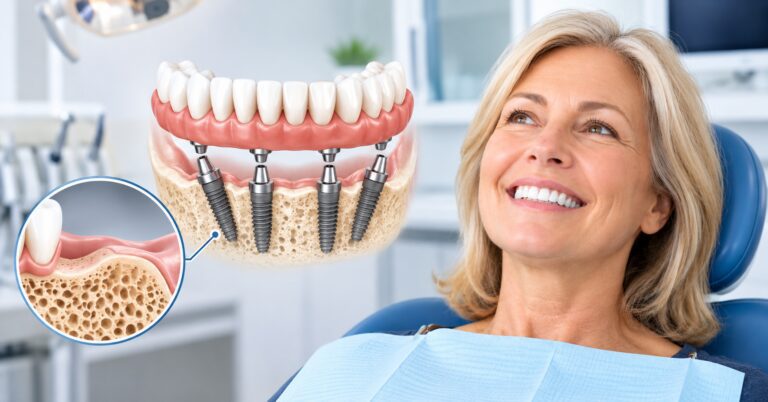
Dental implants are artificial tooth roots, usually made of titanium, placed into the jawbone to support replacement teeth such as crowns, bridges, or dentures. The implant fuses with the jawbone through a process called osseointegration, creating a stable and durable foundation.
Successful dental implant treatment depends on healthy gums, sufficient bone density, and good overall health.
Why Some People May Not Be Ideal Candidates
Dental implants require surgery and a healing period. If the body cannot heal properly or the jawbone cannot support the implant, the chances of implant failure increase.
Below are some of the most common reasons why someone may not be an ideal candidate for dental implants.
1. People With Severe Gum Disease
Healthy gums are essential for successful implants. People with advanced gum disease, also known as periodontal disease, may not have enough healthy tissue to support the implant.
Gum disease can:
- Damage supporting bone
- Cause inflammation
- Increase the risk of infection
- Lead to implant failure
Before implants are placed, gum disease usually needs to be treated completely.
2. Individuals With Significant Bone Loss
Dental implants need adequate jawbone support. When teeth are missing for a long time, the jawbone can shrink or weaken.
People with severe bone loss may not initially qualify for implants because:
- The implant may not stay stable
- Healing may be compromised
- The implant could fail over time
However, some patients may still become candidates after procedures such as bone grafting or sinus lifts.
3. Heavy Smokers
Smoking is one of the major risk factors for implant failure. Tobacco affects blood circulation and slows healing after surgery.
Heavy smokers may experience:
- Delayed healing
- Higher infection risk
- Poor bone integration
- Increased implant complications
Many dentists recommend quitting smoking before and after implant surgery to improve success rates.
Read our latest blog: https://californiaimplantdentist.com/blog/what-are-dental-implants-how-they-work-and-who-needs-them/
4. People With Uncontrolled Diabetes
People with uncontrolled diabetes may have difficulty healing properly after dental implant surgery. High blood sugar levels can increase the risk of infection and slow tissue recovery.
Controlled diabetes does not automatically prevent implants, but patients must work closely with their healthcare provider and dentist to manage the condition effectively.
5. Patients Undergoing Cancer Treatment
Radiation therapy, especially in the jaw or head area, can affect bone quality and healing ability. Chemotherapy may also weaken the immune system and slow recovery.
Patients receiving active cancer treatment may need to delay implants until their health stabilises.
Each case is unique, and the dentist may coordinate with the patient’s medical team before making recommendations.
6. People With Certain Autoimmune Disorders
Some autoimmune diseases can interfere with healing and increase inflammation. Conditions such as:
- Lupus
- Rheumatoid arthritis
- Sjögren’s syndrome
may affect implant success, particularly if medications suppress the immune system.
This does not always rule out implants, but careful evaluation is necessary.
7. Individuals With Poor Oral Hygiene
Dental implants require long-term care. People who do not maintain proper oral hygiene may face a greater risk of:
- Gum infections
- Peri-implantitis
- Implant failure
Good brushing, flossing, and regular dental visits are essential for implant longevity.
Patients unwilling or unable to maintain oral hygiene may not be ideal candidates.
8. People Who Grind or Clench Their Teeth
Teeth grinding, also called bruxism, places excessive pressure on dental implants. Over time, this can damage the implant or surrounding structures.
Dentists may still proceed with implants if the condition is managed using:
- Night guards
- Stress management
- Bite correction treatments
9. Young Patients With Developing Jawbones
Dental implants are generally not recommended for children or teenagers whose jawbones are still growing.
If implants are placed too early:
- Jaw growth may shift the implant position
- Bite alignment may change
- Future dental complications may occur
Dentists usually wait until jaw development is complete before recommending implants.
10. People With Certain Heart or Health Conditions
Some medical conditions can increase surgical risks. Individuals with severe heart disease, bleeding disorders, or immune deficiencies may need special evaluation before implant surgery.
A dentist may request:
- Medical clearance
- Additional testing
- Coordination with specialists
Safety always comes first when planning dental procedures.
Can Someone Become a Candidate Later?
Being told you are not currently a good candidate for dental implants does not always mean implants are impossible forever.
Many patients improve their eligibility by:
- Treating gum disease
- Quitting smoking
- Managing diabetes
- Undergoing bone grafting
- Improving oral hygiene
A personalised treatment plan can often help prepare the mouth and body for future implant success.
Alternatives to Dental Implants
If implants are not suitable, other tooth replacement options are available, including:
- Dental bridges
- Partial dentures
- Full dentures
- Implant-supported dentures in select cases
A dentist can help determine which option best matches the patient’s oral health, budget, and lifestyle.
How Dentists Determine Implant Eligibility
Before recommending implants, dentists typically perform:
- Oral examinations
- Dental X-rays
- 3D scans
- Medical history reviews
- Bone density evaluations
These assessments help identify any risks and determine the best course of treatment.
Tips for Improving Implant Success
Even ideal candidates can improve implant outcomes by following healthy habits:
- Brush and floss daily
- Avoid smoking
- Attend regular dental checkups
- Follow post-surgery instructions carefully
- Eat a balanced diet
- Control chronic health conditions
Long-term implant success depends heavily on ongoing care and maintenance.
Final Thoughts
Dental implants are an excellent solution for many people with missing teeth, but they are not suitable for everyone right away. Conditions such as gum disease, uncontrolled diabetes, smoking, bone loss, and poor oral hygiene can increase the risk of complications or implant failure.
The good news is that many of these issues can be managed with proper treatment and lifestyle changes. A thorough dental evaluation is the best way to determine whether implants are the right option for your situation.
By understanding the factors that affect implant eligibility, patients can make informed decisions and work toward healthier smiles in the future.