Dental implants have become one of the most popular and effective solutions for replacing missing teeth. They offer a long-lasting, natural-looking option that can restore both appearance and function. Unlike removable dentures, dental implants are fixed securely into the jawbone, helping patients eat, speak, and smile with confidence.
However, many people wonder whether they are actually eligible for dental implants. The good news is that most adults can qualify for implant treatment with proper planning and dental care. Still, certain health, lifestyle, and oral conditions may affect the success of the procedure.
If you are considering dental implants, this eligibility checklist can help you understand whether you may be a suitable candidate.
What Are Dental Implants?
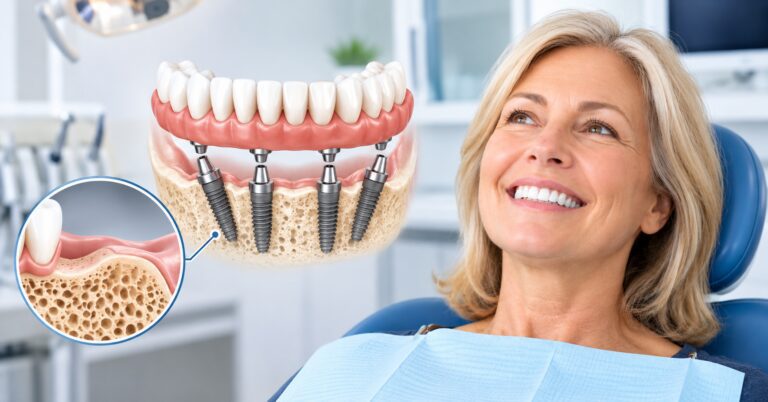
Dental implants are artificial tooth roots usually made from titanium. They are surgically placed into the jawbone to support replacement teeth such as crowns, bridges, or dentures.
A complete implant system typically includes:
- The implant post
- An abutment
- A custom dental crown
Because implants fuse with the jawbone over time, they provide strong support and stability similar to natural teeth.
Why People Choose Dental Implants
Dental implants offer several benefits compared to traditional tooth replacement options.
These advantages include:
- Natural appearance
- Improved chewing ability
- Long-term durability
- Better speech support
- Prevention of bone loss
- Increased comfort and confidence
With proper care, dental implants can last many years, making them a worthwhile investment for many patients.
See our work: https://californiaimplantdentist.com/smile-gallery/
Eligibility Checklist for Dental Implants
Not everyone has the same dental needs, but certain factors help determine whether implants are a suitable option.
1. You Have One or More Missing Teeth
Dental implants are commonly recommended for people who have:
- A single missing tooth
- Multiple missing teeth
- Complete tooth loss
Whether tooth loss occurred due to injury, decay, gum disease, or ageing, implants may help restore oral function and appearance.
2. Your Gums Are Healthy
Healthy gums play a major role in implant success.
Patients with severe gum disease may need treatment before implant surgery because infections can affect healing and bone support.
Signs of healthy gums include:
- Minimal bleeding
- No severe swelling
- No active infection
- Stable gum tissue
Good oral hygiene habits are essential before and after implant placement.
3. You Have Adequate Jawbone Density
Dental implants require strong jawbone support to remain stable.
When teeth are missing for a long time, the jawbone may begin to shrink due to a lack of stimulation. In some cases, patients may require bone grafting before receiving implants.
Your dentist may evaluate bone density using:
- X-rays
- CT scans
- Oral examinations
Even if bone loss exists, modern dental procedures may still make implants possible.
4. You Are in Good General Health
Overall health can influence healing after implant surgery.
Conditions that may affect implant success include:
- Uncontrolled diabetes
- Autoimmune disorders
- Severe osteoporosis
- Certain heart conditions
- Immune system disorders
This does not automatically disqualify someone from implants, but medical conditions should be properly managed before treatment.
5. You Do Not Smoke Excessively
Smoking may slow healing and increase the risk of implant failure.
Tobacco use can reduce blood flow to the gums and interfere with the bone integration process. Dentists often recommend reducing or quitting smoking before implant surgery for better long-term success.
Patients who smoke heavily may face higher risks of:
- Infection
- Delayed healing
- Implant loosening
- Gum complications
6. You Are Committed to Oral Hygiene
Dental implants require regular care just like natural teeth.
Good implant candidates should be willing to maintain:
- Daily brushing
- Flossing
- Regular dental checkups
- Professional cleanings
Poor oral hygiene can increase the risk of gum inflammation around implants, which may affect their stability.
7. Your Jaw Has Finished Developing
Dental implants are generally recommended for adults whose jawbones have fully developed.
For younger patients, dentists may wait until facial and jaw growth is complete before placing implants. This is usually around the late teenage years or early adulthood.
8. You Do Not Grind Your Teeth Excessively
Severe teeth grinding, also called bruxism, may place extra pressure on implants.
Chronic grinding can potentially damage implant-supported restorations or affect healing. However, many patients with mild grinding habits can still receive implants with proper management, such as wearing a night guard.
9. You Have Realistic Expectations
Dental implants are highly successful, but the process requires time, healing, and proper care.
Treatment may involve:
- Consultations
- Imaging scans
- Surgical placement
- Healing periods
- Crown placement
Some cases may take several months from start to finish. Understanding the process helps patients feel more prepared and confident.
For more information, read this blog: https://californiaimplantdentist.com/blog/who-is-not-a-good-candidate-for-dental-implants/
Who May Need Additional Treatment Before Implants?
Some patients may require preparatory procedures before becoming suitable candidates.
These treatments may include:
Bone Grafting
Used to rebuild jawbone density when bone loss has occurred.
Gum Disease Treatment
Helps eliminate infection and improve gum health before surgery.
Tooth Extractions
Damaged teeth may need removal before implant placement.
Sinus Lift Procedures
Sometimes necessary for upper jaw implants when bone height is limited.
These procedures can significantly improve implant success rates.
Signs Dental Implants May Be Right for You
You may be a good implant candidate if you:
- Want a permanent tooth replacement solution
- Have difficulty eating with missing teeth
- Feel uncomfortable with dentures
- Want a natural-looking smile
- Maintain good oral hygiene habits
- Are generally healthy overall
A professional dental evaluation is the best way to confirm eligibility.
Benefits Beyond Appearance
Many people focus on the cosmetic advantages of implants, but they also provide important health benefits.
Dental implants may help:
- Preserve jawbone structure
- Prevent shifting of nearby teeth
- Support facial shape
- Improve speech clarity
- Enhance bite strength
Replacing missing teeth promptly may help reduce future oral health complications.
Final Thoughts
Dental implants can be an excellent solution for restoring missing teeth and improving overall quality of life. While not every patient is immediately ready for implants, many people can become eligible with proper dental care and treatment planning.
Healthy gums, adequate bone support, good oral hygiene, and overall health are some of the key factors dentists consider when evaluating implant candidates.
If you are wondering whether dental implants are right for you, scheduling a professional consultation is the best next step. A dentist can assess your oral health, discuss treatment options, and create a personalised plan to help restore your smile with confidence.
Book an appointment Today: https://californiaimplantdentist.com/request-an-appointment/