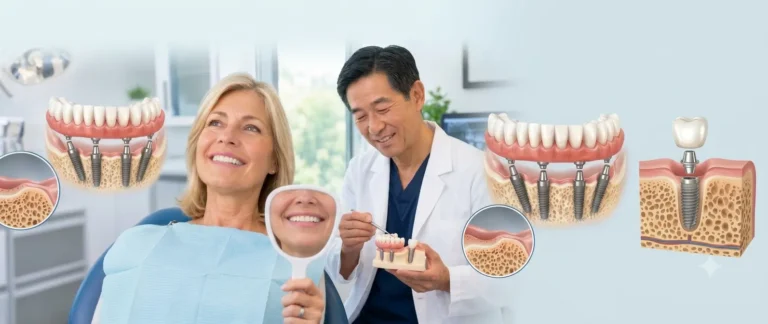
Missing teeth can affect far more than your appearance. Everyday activities such as eating, speaking, and smiling confidently often become more difficult when teeth are lost. Fortunately, modern dentistry offers several effective solutions, and one option that continues to gain attention is mini dental implants.
For patients looking for a less invasive alternative to traditional implants, mini dental implants can provide a practical and long-lasting solution. They offer stability, functionality, and aesthetic benefits while often requiring a simpler treatment process.
Whether you’re missing a single tooth, several teeth, or need additional support for dentures, understanding how mini dental implants work can help you make an informed decision about your oral health.
What Are Mini Dental Implants?
Mini dental implants are smaller versions of traditional dental implants. While conventional implants generally have a larger diameter, mini implants are designed with a narrower structure that allows them to be placed in areas where bone volume may be limited.
Like traditional implants, they are made from biocompatible titanium and function as artificial tooth roots. Once placed into the jawbone, they provide a stable foundation for replacement teeth, crowns, bridges, or dentures.
The primary advantage of mini dental implants is that they often require less invasive surgery and may eliminate the need for certain bone grafting procedures that are sometimes necessary with larger implants.
Why Patients Are Exploring Mini Dental Implants
Over the years, advancements in implant dentistry have created more treatment options for patients. Many people are attracted to mini implants because they offer a balance between effectiveness and convenience.
Some of the reasons patients choose mini implants include:
- Less invasive placement procedure
- Reduced healing time
- Greater comfort during treatment
- Suitable for patients with lower bone density
- Improved denture stability
- Natural-looking results
For many individuals, these benefits make mini dental implants an appealing solution when compared with traditional tooth replacement methods.
Restoring Confidence After Tooth Loss
Tooth loss can impact self-confidence in unexpected ways. Some people become reluctant to smile in photographs, while others avoid social situations because they feel self-conscious about missing teeth.
Mini implants can help restore not only dental function but also confidence.
Because implant-supported restorations closely resemble natural teeth, patients often experience significant improvements in appearance and self-esteem. Being able to eat, speak, and smile comfortably again can make a meaningful difference in daily life.
A Minimally Invasive Alternative
One of the most attractive aspects of mini dental implants is the less invasive treatment process.
Traditional implants generally require a larger surgical site and may involve more extensive preparation. Mini implants, due to their smaller diameter, often require a less complex placement procedure.
In many cases, treatment can be completed more efficiently, allowing patients to return to normal activities sooner.
This can be particularly beneficial for individuals seeking a reliable tooth replacement solution without undergoing extensive oral surgery.
Mini Dental Implants and Denture Stability
Loose or uncomfortable dentures are a common concern among patients.
Traditional dentures may shift while eating or speaking, causing frustration and embarrassment. Mini implants can significantly improve denture stability by providing secure anchorage.
Instead of relying solely on suction or adhesives, implant-supported dentures attach directly to the implants, creating a more secure fit.
Patients frequently report improvements in:
- Comfort
- Chewing efficiency
- Speech clarity
- Confidence in social settings
- Overall satisfaction with their dentures
For many people, mini implants transform the denture experience entirely.
Understanding Your Treatment Options
Every patient’s situation is unique. Factors such as oral health, bone density, medical history, and treatment goals all play a role in determining the most appropriate solution.
During a consultation with an experienced provider offering dental implant Glendale services, a comprehensive examination can help determine whether mini implants are suitable for your needs.
Advanced imaging technology allows dental professionals to evaluate bone structure and create personalized treatment plans designed for long-term success.
Mini Dental Implants vs Traditional Dental Implants
Patients often ask about the differences between mini implants and standard implants.
While both options serve the same purpose, there are several distinctions.
Mini Dental Implants
- Smaller diameter
- Less invasive placement
- Often shorter healing periods
- Suitable for limited bone volume
- Frequently used for denture stabilization
Traditional Dental Implants
- Larger diameter
- May support larger restorations
- Often require greater bone volume
- Sometimes involve bone grafting procedures
- Ideal for certain complex restorations
A qualified provider offering dental implant Glendale treatment can explain which option aligns best with your oral health needs.
The Role of Bone Health in Implant Success
Healthy bone structure plays a crucial role in implant dentistry.
When a tooth is lost, the surrounding jawbone may gradually deteriorate due to lack of stimulation. Dental implants help address this issue by stimulating the bone during chewing and normal function.
Because mini implants require less bone volume than traditional implants, they may be suitable for patients who have experienced some degree of bone loss.
However, each case requires professional evaluation to determine candidacy.
How 4 in One Implants Compare
Patients researching implant solutions may also encounter 4 in one implants, sometimes referred to as full-arch implant systems.
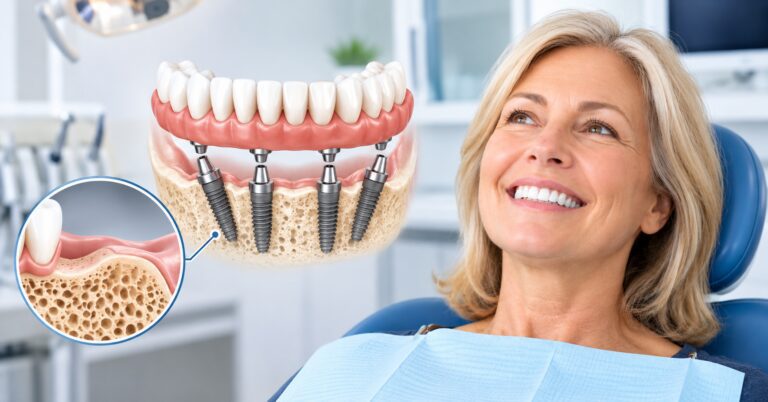
While mini implants are often used to replace individual teeth or stabilize dentures, 4 in one implants are designed to support an entire arch of replacement teeth using four strategically placed implants.
Both treatment approaches offer significant advantages, but they address different clinical needs.
Mini implants may be appropriate for patients seeking a minimally invasive solution, while full-arch systems can be ideal for individuals requiring comprehensive tooth replacement.
A consultation can help determine which approach best supports your long-term goals.
The Benefits of Modern Implant Dentistry
Dental implant technology has evolved significantly over the last two decades.
Today’s implant procedures are more precise, predictable, and comfortable than ever before. Patients considering mini dental implants can benefit from:
- Advanced digital imaging
- Customized treatment planning
- Improved implant materials
- Enhanced patient comfort
- Long-lasting outcomes
These advancements continue to make implant dentistry one of the most trusted solutions for missing teeth.
Choosing the Right Implant Provider
The success of any implant treatment depends heavily on the experience and expertise of the dental team.
When researching providers for dental implant Glendale services, patients should consider:
- Implant experience and training
- Technology and diagnostic capabilities
- Personalized treatment planning
- Patient reviews and testimonials
- Commitment to ongoing care
An experienced implant provider will take the time to evaluate your needs, explain available options, and recommend the most appropriate treatment plan.
Long-Term Care for Mini Dental Implants
Like natural teeth, implants require proper care and maintenance.
Patients can help protect their investment by:
- Brushing twice daily
- Flossing regularly
- Attending routine dental check-ups
- Following professional cleaning recommendations
- Avoiding harmful habits such as smoking
With consistent oral hygiene and professional care, mini dental implants can provide reliable support for many years.
Final Thoughts
Tooth loss doesn’t have to limit your quality of life. Modern restorative dentistry offers several solutions designed to restore both function and confidence, and mini dental implants continue to be one of the most practical options available for many patients.
Their minimally invasive placement, ability to improve denture stability, and suitability for a wide range of patients have made them an increasingly popular choice. Whether you’re considering a single-tooth replacement, denture stabilization, or exploring alternatives to traditional implants, mini implants deserve serious consideration.
If you’re researching dental implant Glendale options or comparing treatments such as 4 in one implants, scheduling a professional consultation is the best way to understand which solution fits your unique needs. With the right treatment plan, a healthy, confident smile may be closer than you think.