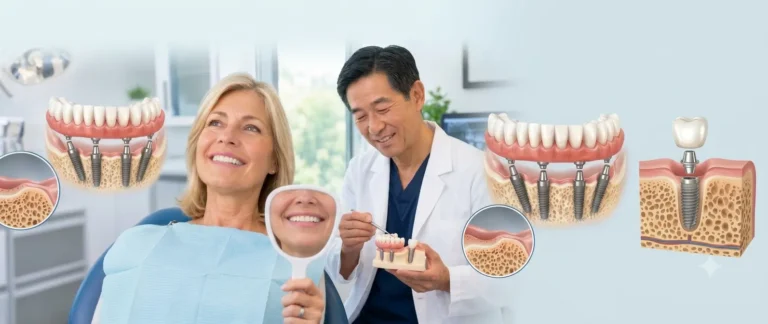
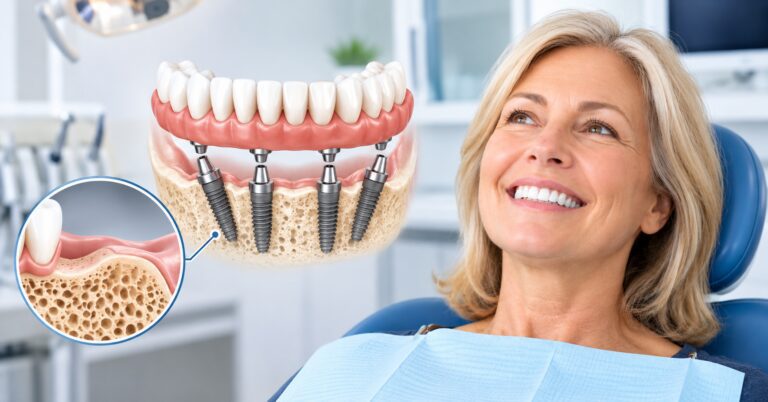
Dental implants are one of the most effective and long-lasting solutions for missing teeth. However, many people hesitate to consider implants because they’ve been told—or assume—that they don’t have enough bone to support them. If that sounds like you, don’t worry. Advances in modern dentistry have made it possible for almost everyone to become a candidate for dental implants.
In this guide, we’ll explain what “insufficient bone” means, why it happens, and the solutions available today.
What Does “Not Enough Bone” Mean?
Dental implants are titanium posts that are placed into the jawbone to act as artificial tooth roots. For a successful implant, there must be enough bone density and volume to securely hold the implant in place.
When the jawbone is too thin, soft, or has shrunk over time, it may not provide the necessary support. This condition is often referred to as bone loss or low bone density in the jaw.
Visit our website: https://californiaimplantdentist.com/
Why Does Bone Loss Happen?
Bone loss in the jaw is more common than you might think and can occur due to several reasons:
1. Missing Teeth for a Long Time
When a tooth is lost, the jawbone in that area no longer receives stimulation from chewing. Over time, this causes the bone to shrink.
2. Gum Disease
Advanced gum disease (periodontitis) can damage the bone supporting your teeth, leading to bone loss.
3. Injury or Trauma
Accidents or injuries can result in bone damage or loss in the jaw.
4. Ageing
As we age, bone density naturally decreases, which may affect implant eligibility.
5. Dentures or Bridges
Long-term use of removable dentures can sometimes accelerate bone loss because they don’t stimulate the jawbone like natural teeth.
Can You Still Get Dental Implants?
Yes—in most cases, you still can!
Thanks to modern dental technology, having low bone density does not automatically disqualify you from getting implants. Dentists now offer several advanced procedures to rebuild or work around insufficient bone.
Read our latest blog: https://californiaimplantdentist.com/blog/can-you-eat-normally-with-all-on-4-dental-implants/
Solutions for Low Bone Density
Here are the most effective solutions available today:
1. Bone Grafting
Bone grafting is one of the most common procedures used to rebuild jawbone structure.
- A small amount of bone (natural or synthetic) is added to the affected area
- Over time, the body integrates this material and creates new bone
Healing time can range from a few months, after which implants can be placed successfully.
2. Sinus Lift (For Upper Jaw Implants)
If you lack bone in the upper jaw, especially near the molars, a sinus lift may be recommended.
- The sinus membrane is gently lifted
- Bone material is added beneath it
This creates enough space and support for implants.
3. Zygomatic Implants
For patients with severe bone loss, zygomatic implants are an advanced option.
- These implants are anchored in the cheekbone (zygoma) instead of the jawbone
- They eliminate the need for bone grafting in some cases
This is a highly specialised procedure performed by experienced surgeons.
4. Mini Dental Implants
Mini implants are smaller in diameter compared to traditional implants.
- Require less bone
- Faster healing time
- Suitable for certain cases, especially for stabilising dentures
5. All-on-4 Implants
This technique uses four strategically placed implants to support a full set of teeth.
- Designed to maximise available bone
- Often avoids the need for bone grafting
How Do Dentists Check Bone Availability?
Before recommending treatment, your dentist will perform a detailed evaluation:
- 3D imaging or CT scans
- Digital X-rays
- Oral examination
These tests help determine bone density, volume, and the best treatment plan for your case.
What to Expect During the Process
The treatment process varies depending on your condition, but generally includes:
- Consultation and diagnosis
- Bone grafting (if required)
- Healing period
- Implant placement
- Crown attachment
The entire process may take a few months, but the results are long-lasting.
Are Dental Implants Safe After Bone Grafting?
Yes, dental implants are highly successful even after bone grafting. Success rates are typically above 90–95% when performed by experienced professionals.
Proper care, good oral hygiene, and regular dental visits further improve success rates.
Tips to Improve Bone Health Before Implants
If you’re planning to get implants, you can take steps to improve your bone health:
- Maintain good oral hygiene
- Eat calcium-rich foods (milk, cheese, leafy greens)
- Avoid smoking
- Follow your dentist’s advice
- Treat gum disease early
Common Myths About Bone Loss and Implants
Myth 1: “I can’t get implants because I lost bone”
Truth: Most patients can still get implants with modern techniques.
Myth 2: “Bone grafting is painful”
Truth: The procedure is usually done under anaesthesia and is manageable.
Myth 3: “Dentures are the only option”
Truth: Implants are often a better, long-term solution.
When Should You Consult a Dentist?
You should consult a dental professional if:
- You have missing teeth
- You’ve been told you don’t have enough bone
- You want a permanent solution instead of dentures
Early consultation can open up more treatment options.
Conclusion
Being told you don’t have enough bone for dental implants can feel discouraging—but it’s not the end of the road. With today’s advanced dental techniques, most people can still achieve a healthy, confident smile.
From bone grafting to innovative implant methods, there are multiple solutions available to suit different needs. The key is to consult an experienced dentist who can evaluate your condition and recommend the best approach.
So, if you’ve been avoiding dental implants due to bone concerns, now is the time to explore your options. You might be closer to your perfect smile than you think.