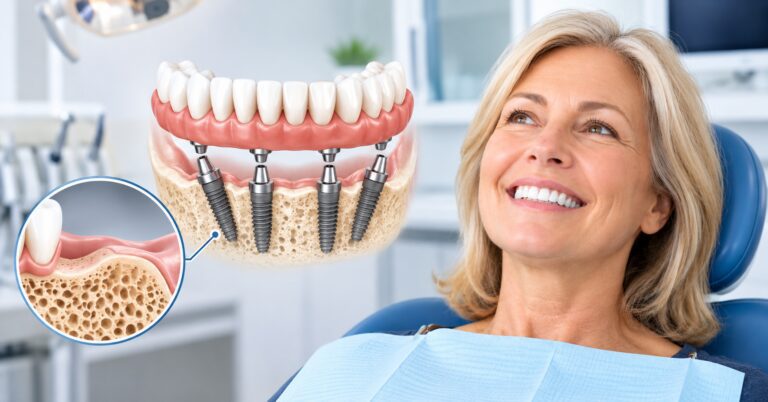
For many patients considering dental implants, the biggest challenge isn’t the implant itself—it’s having enough bone in the upper jaw to support it. Bone loss in this area is common, especially after long-term tooth loss or periodontal disease. Fortunately, sinus lift surgery offers a reliable solution that makes implant treatment possible for patients who were once told they were not candidates.
As an experienced implant dentist Glendale patients trust, we frequently see how this procedure opens the door to long-lasting tooth replacement. But like any surgical treatment, it’s important to understand how it works, what the benefits are, and what potential risks may be involved.
This guide explains everything you should know before considering sinus augmentation for upper jaw implants.
What Is Sinus Lift Surgery?
Sinus lift surgery—also known as sinus augmentation—is a specialized procedure that increases bone volume in the upper jaw, particularly in the molar and premolar regions.
The maxillary sinuses are air-filled cavities located above the upper jaw. When patients lose teeth in this area, the bone gradually shrinks while the sinus cavity expands downward. As a result, there may not be enough bone height to support dental implants.
During sinus lift surgery, the dentist gently lifts the sinus membrane and places bone graft material beneath it. Over time, the graft integrates with the natural bone and creates a stronger foundation for dental implants.
Because of this, the procedure significantly improves implant success rates in the upper jaw.
Why Sinus Lift Surgery Is Sometimes Necessary
Many patients are surprised to learn that bone loss can occur quickly after a tooth extraction or long-term tooth absence. In the upper jaw, this process is accelerated because the sinus cavity naturally expands over time.
You may need sinus lift surgery if:
- You lost upper back teeth years ago
- Your jawbone has shrunk due to bone resorption
- Periodontal disease damaged the bone structure
- The sinus cavity sits too close to the jaw for safe implant placement
A skilled implant dentist Glendale patients rely on will typically confirm the need for this procedure using 3D imaging or CT scans. These images allow precise measurement of bone height and sinus position before treatment begins.
How the Procedure Works
Although the idea of sinus surgery may sound intimidating, modern techniques have made the procedure far more comfortable and predictable than many patients expect.
A typical sinus lift procedure involves several steps:
- Accessing the Bone
A small opening is made in the gum tissue near the implant site. - Lifting the Sinus Membrane
The thin membrane lining the sinus cavity is carefully raised. - Placing Bone Graft Material
Bone graft material is inserted into the space beneath the lifted membrane. - Healing and Bone Integration
Over several months, the graft fuses with the existing jawbone.
Once healing is complete, the area becomes strong enough to support dental implants securely.
In some cases, implants can be placed during the same appointment as the sinus lift. In other situations, a healing period of several months is recommended to ensure proper bone development.
Benefits of Sinus Lift Surgery
When performed by an experienced implant dentist Glendale residents trust, sinus augmentation offers several important advantages.
1. Makes Dental Implants Possible
The biggest benefit is that it allows patients with insufficient bone to receive dental implants. Without the procedure, implants may not have enough support to remain stable long term.
2. Restores Jawbone Volume
The added bone graft helps rebuild lost bone, improving both structural strength and oral health.
3. Long-Term Implant Stability
A properly performed sinus lift surgery significantly improves the long-term success rate of implants placed in the upper jaw.
4. Improved Function and Confidence
Dental implants supported by healthy bone allow patients to eat, speak, and smile with confidence again.
Potential Risks and Complications
Like any surgical procedure, sinus lift surgery carries some potential risks. However, serious complications are uncommon when the procedure is performed by a qualified specialist.
Possible risks may include:
- Sinus membrane perforation
- Infection at the surgical site
- Temporary swelling or discomfort
- Delayed bone graft integration
Most complications can be managed easily with proper follow-up care. Choosing a skilled implant dentist Glendale patients trust plays a major role in minimizing these risks.
Careful planning, advanced imaging, and modern surgical techniques help ensure a smooth and predictable treatment experience.
Recovery and Healing Timeline
Recovery after sinus lift surgery is generally straightforward for most patients.
Common post-surgery symptoms include mild swelling, minor bleeding, or sinus pressure during the first few days. Your dentist may recommend medications, antibiotics, or nasal precautions to support healing.
Most patients can return to normal daily activities within 1–2 days.
However, the bone graft itself needs time to integrate fully with the surrounding bone. The healing process typically takes 4 to 9 months, depending on the individual case.
After healing is complete, dental implants can be placed safely with a strong foundation for long-term success.
How to Know If You’re a Candidate
Not every implant patient needs sinus augmentation, but it is common for individuals missing upper back teeth.
You may be a good candidate for sinus lift surgery if:
- You want dental implants in the upper jaw
- You have limited bone height in the molar or premolar region
- Your sinuses are positioned close to the jawbone
- You are in generally good health
A consultation with an experienced implant dentist Glendale patients rely on is the best way to determine the right treatment approach.
Why Experience Matters in Sinus Lift Procedures
Sinus augmentation requires precision, specialized training, and surgical expertise. Therefore, successful outcomes depend heavily on accurate diagnosis and proper surgical technique.
An experienced implant dentist Glendale patients trust uses advanced diagnostic tools such as:
- Digital imaging
- 3D CT scans
- Implant planning software
These technologies improve surgical accuracy and increase implant success rates.
The Bottom Line
For patients with insufficient upper jawbone, sinus lift surgery can be a life-changing solution. By rebuilding bone in the sinus area, this procedure creates the support needed for stable and long-lasting dental implants.
While there are potential risks, they are relatively rare when the treatment is performed by a skilled professional. With proper planning and care, sinus augmentation has helped thousands of patients restore their smiles and regain full oral function.
If you’ve been told you may not have enough bone for implants, consulting with an experienced implant dentist Glendale patients trust—such as Dr. Robert Thein—may reveal treatment options you didn’t realize were possible.
A personalized evaluation with Dr. Robert Thein can help determine whether sinus lift surgery is the right step toward achieving a strong, healthy, and confident smile.