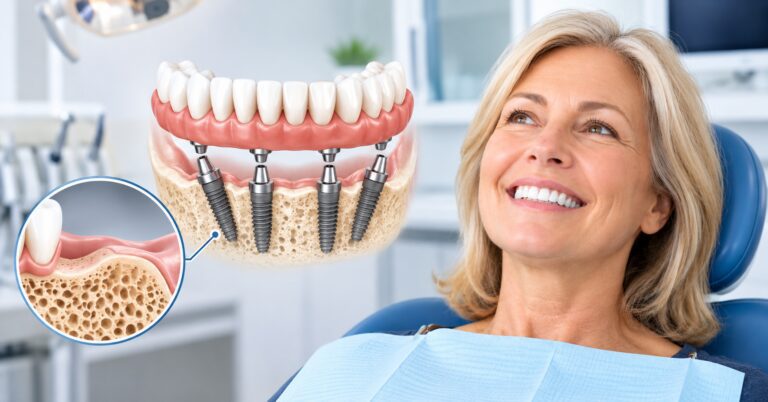
Missing teeth can affect much more than your smile. They can impact the way you eat, speak, and even how confident you feel in social situations. Fortunately, modern dentistry offers a long-lasting and highly successful solution: dental implants.
If you’ve recently lost a tooth or have been considering permanent tooth replacement options, understanding what dental implants are and how they work is the first step toward making an informed decision.
In this guide, we’ll explore the best types of dental implants available today, explain how they function, discuss who may be a good candidate, and help you understand why so many patients choose dental implants as their preferred tooth replacement solution.
Also Read – Dentist Perforated My Sinus and Didn’t Tell Me
What Are Dental Implants?
One of the most common questions patients ask is, “What are dental implants?”
Dental implants are artificial tooth roots made from biocompatible materials, typically titanium or zirconia. They are surgically placed into the jawbone to support replacement teeth such as crowns, bridges, or full-arch restorations.
Unlike traditional dentures or bridges that rest on the gums or rely on adjacent teeth for support, dental implants integrate directly with the jawbone. This process creates a stable foundation that closely mimics the function of natural tooth roots.
Because of their strength, durability, and natural appearance, dental implants have become the gold standard for replacing missing teeth.
How Do Dental Implants Work?
Understanding how dental implants work can help patients feel more comfortable about the treatment process.
The procedure generally involves three key components:
1. The Implant Post
The implant post acts as the artificial root. It is surgically inserted into the jawbone where the missing tooth once existed.
Over the following months, the implant fuses with the bone through a biological process called osseointegration.
2. The Abutment
Once healing is complete, a connector piece called an abutment is attached to the implant.
The abutment serves as the link between the implant and the final restoration.
3. The Restoration
The visible portion of the tooth replacement may be a dental crown, bridge, or implant-supported denture.
The final restoration is custom-designed to match the shape, color, and appearance of your natural teeth.
The result is a replacement tooth that looks, feels, and functions much like a natural tooth.
Why Dental Implants Are Considered the Best Tooth Replacement Option
Many patients compare dental implants with dentures and traditional bridges before deciding on treatment.
Here are some of the reasons implants continue to be the preferred choice:
- Permanent and long-lasting solution
- Natural appearance
- Improved chewing ability
- Better speech clarity
- Preservation of jawbone density
- No slipping or movement
- Easier oral hygiene maintenance
- High long-term success rates
When properly cared for, dental implants can last for decades, making them a valuable investment in long-term oral health.
Also Read – Help! My Husband Refuses to Wear His Dentures
Best Types of Dental Implants Available Today
Not every patient has the same dental needs. Modern implant dentistry offers several types of dental implants designed to address different situations.
Endosteal Dental Implants
Endosteal implants are the most commonly used type of dental implant.
These implants are placed directly into the jawbone and serve as artificial tooth roots.
Patients with healthy jawbone density are often ideal candidates for endosteal implants.
Benefits include:
- Excellent stability
- High success rates
- Long-term durability
- Suitable for single or multiple missing teeth
Most implant procedures performed today involve endosteal implants.
Subperiosteal Dental Implants
Subperiosteal implants are positioned above the jawbone but underneath the gum tissue.
These implants may be recommended for patients who have experienced significant bone loss and cannot undergo bone grafting procedures.
Although less common today, they can still provide a viable option for certain individuals.
Benefits include:
- Alternative for patients with insufficient bone
- Less invasive than some bone augmentation procedures
- Effective support for restorations
Single-Tooth Dental Implants
For patients missing one tooth, a single implant topped with a custom crown can restore function and aesthetics without affecting neighboring teeth.
Advantages include:
- Natural appearance
- Preservation of surrounding teeth
- Easy maintenance
- Strong biting force
Implant-Supported Bridges
When several teeth are missing in a row, implant-supported bridges can replace multiple teeth using fewer implants.
Benefits include:
- Greater stability than traditional bridges
- Prevention of bone loss
- Reduced stress on adjacent teeth
Full-Arch Dental Implants
Patients missing most or all of their teeth may benefit from full-arch implant solutions such as All-on-4 or All-on-X treatments.
These systems use strategically placed implants to support a complete set of replacement teeth.
Advantages include:
- Full smile restoration
- Improved comfort
- Better chewing ability
- Long-lasting results
Who Needs Dental Implants?
Dental implants can benefit many patients dealing with tooth loss.
You may be a candidate if you:
- Have one or more missing teeth
- Have healthy gums
- Maintain good oral hygiene
- Have sufficient jawbone density
- Want a permanent tooth replacement solution
- Are tired of loose or uncomfortable dentures
During a consultation, an implant dentist will evaluate your oral health, bone structure, and treatment goals to determine whether dental implants are right for you.
Common Causes of Tooth Loss
Understanding why teeth are lost can help patients appreciate the importance of timely replacement.
Some common causes include:
Tooth Decay
Advanced decay can destroy tooth structure beyond repair, making extraction necessary.
Gum Disease
Periodontal disease remains one of the leading causes of adult tooth loss.
Dental Trauma
Accidents, sports injuries, and falls can result in damaged or missing teeth.
Failed Dental Work
Older crowns, bridges, or root canal-treated teeth may eventually fail and require replacement.
Regardless of the cause, dental implants can often restore both appearance and function.
The Dental Implant Process
Although every case is unique, the implant process generally follows several stages.
Initial Consultation
The dentist performs a comprehensive examination that may include:
- Digital X-rays
- 3D imaging
- Oral health assessment
- Treatment planning
Implant Placement
The implant is surgically inserted into the jawbone using advanced techniques designed to maximize comfort and precision.
Healing Period
Osseointegration typically takes several months as the implant fuses with the surrounding bone.
Restoration Placement
Once healing is complete, the custom crown, bridge, or denture is attached to the implant.
The final result is a stable, functional, and natural-looking replacement tooth.
Benefits of Dental Implants Beyond Appearance
Many people initially seek treatment to improve their smile, but dental implants offer several additional health benefits.
Jawbone Preservation
When a tooth is lost, the jawbone in that area begins to shrink over time.
Dental implants stimulate the bone similarly to natural roots, helping preserve facial structure.
Improved Nutrition
Patients can comfortably enjoy a wider variety of healthy foods, including fruits, vegetables, and proteins.
Better Speech
Missing teeth and unstable dentures can affect pronunciation.
Implants provide a secure foundation that supports clear speech.
Enhanced Confidence
A complete smile often contributes to improved self-esteem and social confidence.
Dental Implant Glendale: Why Local Expertise Matters
Choosing an experienced provider is one of the most important factors in achieving successful treatment outcomes.
When considering a dental implant Glendale provider, patients should look for:
- Extensive implant experience
- Advanced technology
- Comprehensive treatment planning
- Customized patient care
- Proven success rates
A skilled implant dentist can identify potential challenges early and develop a treatment plan tailored to each patient’s unique needs.
How Long Do Dental Implants Last?
One of the biggest advantages of dental implants is their longevity.
With proper care, implant posts can last decades and often remain functional for a lifetime.
Factors that influence implant lifespan include:
- Oral hygiene habits
- Routine dental visits
- Overall health
- Smoking status
- Bite forces and grinding habits
Regular professional maintenance helps protect both the implants and surrounding tissues.
Caring for Dental Implants
Maintaining dental implants is surprisingly simple.
Patients should:
- Brush twice daily
- Floss regularly
- Use recommended cleaning tools
- Attend routine dental checkups
- Avoid tobacco products
Consistent oral care supports long-term implant success and overall oral health.
Are Dental Implants Safe?
Dental implants have been extensively researched and are considered one of the safest and most predictable procedures in modern dentistry.
Numerous clinical studies have demonstrated high success rates, often exceeding 95% in healthy patients.
Advancements in digital imaging, guided surgery, and implant materials continue to improve outcomes and patient comfort.
Read Our Latest Blog:- https://californiaimplantdentist.com/blog/factors-influencing-the-total-price-of-full-mouth-dental-implants/
Final Thoughts
If you’ve been wondering what are dental implants and whether they might be right for you, the answer often depends on your oral health, goals, and long-term expectations.
Dental implants remain one of the most effective solutions for replacing missing teeth because they restore function, preserve jawbone health, and create natural-looking results that can last for decades.
Whether you need a single replacement tooth, multiple implants, or a full-arch restoration, modern implant dentistry offers options tailored to nearly every situation. Working with an experienced dental implant Glendale provider can help ensure you receive personalized care and long-lasting results.
For patients seeking a permanent solution to tooth loss, dental implants continue to set the standard for comfort, aesthetics, and reliability.