Dental implants are considered one of the most durable options for replacing missing teeth. But one of the biggest questions patients have before treatment is: Do dental implants last a lifetime?
The answer is they can, but longevity depends on several factors, including oral hygiene, gum health, bone support, lifestyle habits, bite forces, and regular dental care.
The implant post itself can potentially remain in place for decades or even a lifetime, while the crown attached to it may eventually need replacement because of normal wear.
Let’s look at how long implants can last, what affects their lifespan, and what you can do to protect your investment.
Also Read: How Much Do Dental Implants Cost in the USA? (2026 Guide)
How Long Can Dental Implants Last?
A tooth replacement supported by an implant generally has three main components:
Implant Post
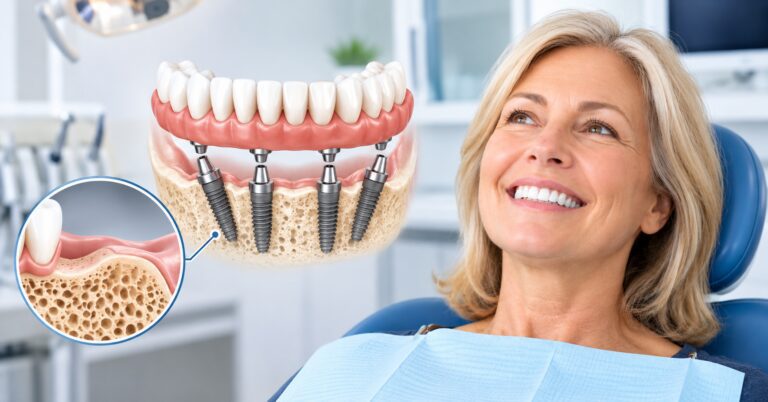
The implant post is typically made from titanium or another biocompatible material and is surgically placed into the jawbone. Once healing occurs, the implant integrates with the surrounding bone.
With proper care, the post can potentially last for decades and may remain stable for a patient’s lifetime.
Abutment
The abutment connects the implant post to the dental crown. Depending on the restoration and individual circumstances, this component may eventually require adjustment or replacement.
Dental Crown
The crown is the visible portion that resembles a natural tooth. Crowns are exposed to everyday chewing forces and may eventually experience wear or damage.
Many crowns can last approximately 10 to 20 years, although their lifespan varies based on oral hygiene, bite forces, material, and personal habits.
This means that while the implant foundation may remain in place long term, some patients may need to replace the crown during their lifetime.
Why Are Implants Designed for Long-Term Use?
Unlike traditional bridges or removable dentures, an implant is anchored directly into the jawbone.
During healing, a process called osseointegration allows the implant to become integrated with the surrounding bone. This provides a stable foundation for a replacement tooth.
According to the American Dental Association’s Mouth Healthy resource, implants are designed as a long-term option for replacing missing teeth and provide a stable anchor for replacement teeth.
Some of the potential benefits include:
- Stable support for replacement teeth
- Natural-looking appearance
- Improved chewing ability
- Support for normal speech
- Preservation of jawbone structure
- Reduced movement compared with removable dentures
What Affects Dental Implant Lifespan?
Several factors can influence how long an implant-supported restoration remains healthy and functional.
1. Oral Hygiene
Good oral hygiene is essential for protecting the tissues surrounding an implant.
Brush your teeth twice a day and clean between your teeth daily. Your dentist may also recommend specific flossing tools, interdental brushes, or water flossers.
The National Institute of Dental and Craniofacial Research recommends regular brushing, cleaning between teeth, and professional dental visits as important parts of maintaining oral health.
2. Regular Dental Checkups
Routine dental examinations allow your dentist to monitor the implant, gums, bite, and surrounding bone.
Professional cleanings can also help control plaque and tartar that cannot be completely removed through normal brushing.
3. Gum Health
Healthy gums are important for maintaining the tissues around an implant.
Inflammation around an implant can affect the surrounding tissues and, in severe cases, contribute to bone loss and implant complications. NIDCR notes that inflammation around implants can contribute to bone loss and implant failure.
4. Bone Support
The implant needs sufficient bone support to remain stable.
Some patients who have experienced significant bone loss may require procedures such as bone grafting before implant placement.
Your dentist can evaluate bone volume using dental imaging and determine whether additional treatment is necessary.
5. Smoking and Tobacco Use
Smoking can negatively affect oral health and healing.
People who smoke may have a greater risk of gum problems and complications around implant treatment. Quitting tobacco can support better oral health and improve the conditions around an implant.
6. Teeth Grinding and Clenching
Bruxism, or chronic teeth grinding and clenching, can place excessive forces on an implant restoration.
If you grind your teeth at night, your dentist may recommend a custom night guard to help protect your restoration.
7. Overall Health
Certain health conditions can influence healing and oral health.
For example, poorly controlled diabetes may increase the risk of oral health complications. Your dentist should know about relevant health conditions and medications before treatment.
Can Dental Implants Fail?
Yes. Although implant treatment has a high success rate, failure can occur.
Possible causes include:
- Infection or inflammation around the implant
- Insufficient bone support
- Poor oral hygiene
- Smoking
- Excessive bite forces
- Problems with healing
- Untreated gum disease
- Lack of professional maintenance
Not every implant complication means the implant must be removed. Early evaluation can help your dentist determine the cause and recommend appropriate treatment.
Signs an Implant May Need Attention
Contact your dentist if you experience unusual or persistent symptoms around an implant, such as:
- Persistent pain or discomfort
- Swollen or bleeding gums
- Movement or looseness
- Difficulty chewing
- Persistent bad taste
- Drainage around the implant
- Changes in the gumline
- Increased sensitivity or discomfort when biting
Don’t wait for symptoms to become severe. Early assessment may help prevent a minor problem from developing into a more significant complication.
How to Help Your Implant Last as Long as Possible
If you’re wondering do dental implants last a lifetime, remember that maintenance plays a major role in long-term success.
Follow these habits:
- Brush twice daily with fluoride toothpaste.
- Clean between your teeth every day.
- Follow your dentist’s recommendations for implant cleaning.
- Attend regular dental examinations and professional cleanings.
- Avoid smoking and tobacco products.
- Wear a night guard if you grind or clench your teeth.
- Avoid chewing extremely hard objects such as ice.
- Maintain a balanced diet.
- Follow your dentist’s post-treatment instructions.
- Contact your dentist if you notice changes around the implant.
The goal isn’t simply to place an implant and forget about it. Long-term maintenance is essential for protecting the implant and the surrounding tissues.
Who May Be a Good Candidate for Implant Treatment?
Implant treatment may be appropriate for adults who have:
- One or more missing teeth
- Adequate jawbone or the possibility of bone grafting
- Healthy or manageable gum tissue
- Good oral hygiene habits
- A commitment to regular dental care
A consultation allows an implant dentist to evaluate your teeth, gums, bite, and jawbone.
Digital imaging can also help determine whether you have enough bone support and whether additional procedures may be necessary.
Frequently Asked Questions
Can dental implants last a lifetime?
Yes, the implant post can potentially remain functional for a lifetime in some patients. However, there is no guarantee that every implant will last forever. The crown or other restoration may need replacement because of normal wear.
How long does an implant crown last?
An implant crown may last around 10 to 20 years, although the actual lifespan varies depending on the material, oral hygiene, bite forces, and everyday habits.
What is the success rate of implant treatment?
Implant treatment has high long-term success rates, but outcomes vary depending on the patient’s oral health, implant location, treatment planning, maintenance, and other factors. Your dentist can discuss your individual prognosis.
Does smoking affect implant longevity?
Yes. Smoking can negatively affect gum health and healing and may increase the risk of complications. If you smoke, discuss your tobacco use with your dentist before and after treatment.
How often should implants be checked?
Your dentist will recommend a maintenance schedule based on your individual needs. Regular examinations and professional cleanings allow your dental team to monitor the implant and surrounding tissues.
Are implants worth the investment?
For many patients, implant-supported tooth replacement can provide a durable, stable, and natural-looking solution for missing teeth. Whether treatment is right for you depends on your oral health, goals, budget, and long-term needs.