Losing more than one tooth can change more than just your smile. It affects the way you chew, how you speak, and even the structure of your face over time. Many people assume that traditional dentures are the only solution when several teeth are missing. But modern dental implants have completely changed what’s possible in restorative dentistry.
If you’re researching dental implants near me or wondering whether implants can replace several teeth at once, the short answer is yes. In fact, implants are often the most stable, long-lasting option available today.
In this guide, we’ll break down how dental implants work for multiple missing teeth, what treatment options exist, and why patients often choose a dental implant Glendale specialist for this advanced procedure.
Why Multiple Missing Teeth Shouldn’t Be Ignored
When several teeth are missing, the effects go far beyond aesthetics.
Teeth play a critical role in maintaining the health of your jawbone and surrounding teeth. Once a tooth is lost, the jawbone underneath begins to shrink because it no longer receives stimulation from chewing.
When multiple teeth are missing, this process accelerates. Over time, it can lead to:
- Jawbone deterioration
- Shifting of nearby teeth
- Bite misalignment
- Difficulty chewing certain foods
- Premature facial aging
This is exactly why dentists today recommend long-term solutions like dental implants rather than temporary replacements.
How Dental Implants Work
A dental implant is essentially a small titanium post placed in the jawbone. It acts as an artificial tooth root, supporting a crown, bridge, or even a full arch of teeth.
The implant integrates with the bone through a process called osseointegration. Once healing is complete, the implant becomes as stable as a natural tooth root.
That stability is what allows dental implants to replace anything from a single missing tooth to an entire row of teeth.
Patients searching for dental implants near me are often surprised to learn that fewer implants are required than they initially expect.
Can Dental Implants Replace Several Teeth?
Yes — and there are multiple ways to do it.
The right option depends on how many teeth are missing and the condition of your jawbone. A qualified dental implant Glendale provider will evaluate your oral health and recommend the most suitable solution.
Here are the most common approaches.
Option 1: Implant-Supported Bridge
When two to four teeth in a row are missing, dentists often recommend an implant-supported bridge.
Instead of placing an implant for every tooth, two implants can support a dental bridge that replaces multiple teeth.
Benefits of implant-supported bridges include:
- Fewer implants required
- Strong and natural bite force
- Prevents neighboring teeth from shifting
- Long-lasting solution
Traditional bridges rely on nearby teeth for support. Implant bridges, however, are anchored directly into the jawbone, which makes them much stronger and healthier for surrounding teeth.
Option 2: Multiple Individual Dental Implants
In some cases, placing individual dental implants for each missing tooth may be the best option.
This approach allows every tooth to function independently, just like natural teeth.
Patients often choose this method when:
- Teeth are missing in different areas
- Bone structure supports separate implants
- Maximum durability is desired
While this option involves more implants, it also provides the most natural feel and function.
Option 3: Implant-Supported Dentures
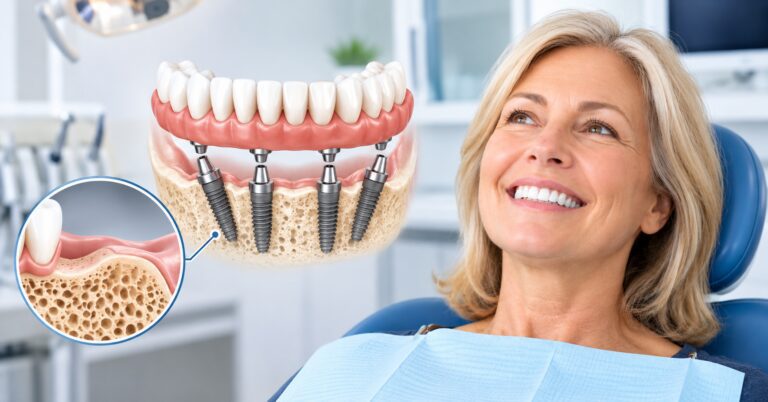
For patients missing many or all teeth in an arch, implant-supported dentures are a popular choice.
Instead of resting on the gums like traditional dentures, these dentures attach securely to implants placed in the jawbone.
Typically, four to six implants are enough to stabilize a full arch of teeth.
This option is ideal for patients who want to:
- Eliminate slipping dentures
- Improve chewing ability
- Restore confidence when speaking and smiling
Many people searching for dental implants near me are actually good candidates for implant-supported dentures without realizing it.
Option 4: All-on-4 or Full Arch Implants
Another advanced option for multiple missing teeth is the All-on-4 technique.
With this method, a full set of upper or lower teeth is supported by just four strategically placed implants.
The benefits include:
- Faster treatment time
- Fewer implants required
- Immediate temporary teeth in many cases
- Strong, fixed restoration
A skilled dental implant Glendale specialist can determine whether this technique is appropriate based on bone density and overall oral health.
Advantages of Dental Implants for Multiple Teeth
Patients often compare implants to traditional bridges or dentures. While those options still exist, implants offer several advantages.
Long-Term Durability
Properly maintained dental implants can last decades. Many patients keep them for the rest of their lives.
Jawbone Preservation
Unlike dentures, implants stimulate the jawbone and prevent bone loss.
Natural Appearance
Implants look and feel like real teeth, making them virtually indistinguishable from natural smiles.
Improved Comfort
Because implants are anchored into the jawbone, they eliminate the discomfort often associated with removable dentures.
Better Eating Ability
Patients can enjoy a wider variety of foods, including harder textures that are difficult with traditional dentures.
Who Is a Good Candidate for Dental Implants?
Most adults with missing teeth are potential candidates for dental implants.
However, several factors must be evaluated first.
A dentist will typically check:
- Jawbone density
- Gum health
- Overall medical history
- Smoking habits
- Oral hygiene practices
Even if bone loss has already occurred, procedures like bone grafting can often make implants possible.
If you’re searching for dental implants near me, scheduling a consultation is the best first step toward understanding your options.
What the Dental Implant Process Looks Like
While every case is unique, the process usually follows several key steps.
1. Comprehensive Consultation
Your dentist performs a full oral exam, including digital imaging and treatment planning.
2. Implant Placement
The titanium implant is surgically placed into the jawbone.
3. Healing Period
Over several months, the implant integrates with the bone.
4. Restoration
A crown, bridge, or denture is attached to the implant, completing the smile.
An experienced dental implant Glendale provider will carefully guide patients through each stage to ensure a comfortable and successful outcome.
How Long Do Dental Implants Last?
One of the biggest advantages of dental implants is their longevity.
With proper care, implants can last 20 years or longer. Many last a lifetime.
Key habits that support implant longevity include:
- Brushing twice daily
- Flossing regularly
- Routine dental checkups
- Avoiding smoking
- Wearing a nightguard if recommended
Compared to bridges or dentures that may need replacement every 5–10 years, implants often prove to be the more cost-effective long-term investment.
Choosing the Right Dental Implant Provider
The success of implant treatment depends heavily on the expertise of the dentist performing the procedure.
When researching dental implants near me, look for providers who offer:
- Advanced imaging technology
- Extensive implant experience
- Customized treatment plans
- Strong patient reviews
- Transparent consultation process
Working with an experienced dental implant Glendale specialist ensures that the implants are placed accurately and designed to last.
Restoring Your Smile with Confidence
Missing multiple teeth can impact your quality of life in ways that go far beyond appearance. Eating, speaking, and even smiling comfortably can become difficult.
Fortunately, modern dental implants provide a reliable and natural-looking solution.
Whether you need a bridge, implant-supported dentures, or a full-arch restoration, implants can effectively replace multiple missing teeth while protecting your long-term oral health.
If you’ve been searching for dental implants near me, the next step is scheduling a professional consultation. An experienced dental implant Glendale specialist like Dr. Robert Thein can carefully evaluate your smile, review your oral health, and design a personalized treatment plan that restores both function and confidence.
Your smile deserves a solution that lasts — and dental implants are often the closest thing to getting your natural teeth back. With the right care and guidance from Dr. Robert Thein, patients can enjoy a healthier, stronger smile for many years to come.