Bone grafting has become a routine and highly successful procedure in modern dentistry, especially for patients planning to get dental implants. Yet, despite its widespread use, many people still hesitate due to myths and misconceptions. If you’ve ever searched for dental implants near me and felt unsure after hearing conflicting information, you’re not alone.
In this blog, we’ll break down the most common myths about bone graft for dental implants, uncover the truth behind them, and help you make an informed decision.
What Is Bone Grafting for Dental Implants?
Before we dive into myths, let’s clarify what bone grafting actually is.
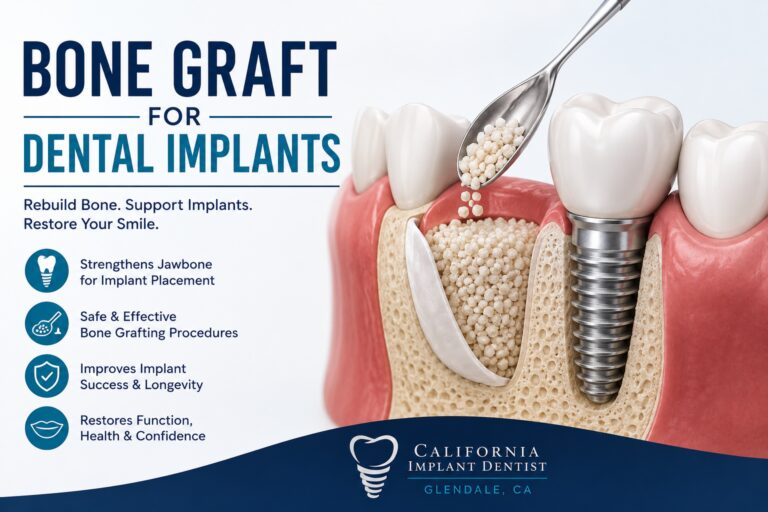
A bone graft for dental implants is a procedure used to rebuild or strengthen the jawbone structure when it’s too weak or thin to support an implant. Over time, tooth loss, gum disease, or injury can lead to bone loss. Without enough bone, implants may fail.
Grafting for teeth involves placing bone material (natural or synthetic) into the jaw, which eventually integrates with your existing bone, creating a strong foundation for implants.
Myth 1: Bone Grafting Is Extremely Painful
One of the biggest fears people have is pain.
Reality:
Bone grafting is performed under local anaesthesia or sedation, meaning you won’t feel pain during the procedure. Post-procedure discomfort is usually mild and manageable with prescribed medications.
Most patients report that it feels similar to a routine tooth extraction rather than a major surgery.
Myth 2: Bone Grafting Is Only for Older Patients
Many assume that only older adults need bone grafts.
Reality:
Bone loss can happen at any age due to:
- Tooth extraction
- Gum disease
- Trauma
- Infection
Even younger patients searching for dental implants near me may require grafting for teeth if they’ve experienced bone loss.
Myth 3: Dental Implants Can Be Done Without Bone Grafting
Some believe bone grafting is optional or unnecessary.
Reality:
While not every patient needs it, bone grafting is essential if there isn’t enough bone to support the implant. Skipping this step can lead to implant failure.
A qualified dentist will assess your jawbone using imaging and recommend whether a bone graft for dental implants is needed.
Myth 4: Bone Grafting Takes Too Long to Heal
Many people worry about long recovery times.
Reality:
Healing time varies depending on the type of graft, but in many cases:
- Initial healing: 1–2 weeks
- Full integration: 3–6 months
Some advanced procedures even allow same-day implants with grafting, reducing overall treatment time.
Myth 5: Bone Grafting Looks Unnatural
A common concern is that the jaw or face will look different.
Reality:
Bone grafting actually helps maintain your natural facial structure. Without it, bone loss can lead to a “sunken” appearance.
Rather than looking unnatural, grafting for teeth supports your facial contours and improves aesthetics.
Myth 6: The Body Will Reject the Bone Graft
This myth creates fear about complications.
Reality:
Bone graft materials are highly biocompatible and safe. Options include:
- Your own bone (autograft)
- Donor bone (allograft)
- Synthetic materials
Rejection is extremely rare. In most cases, the graft integrates seamlessly with your natural bone.
Myth 7: Bone Grafting Is Too Expensive
Cost is often seen as a major barrier.
Reality:
While there is an additional cost, it’s an investment in long-term oral health. Without a strong foundation, implants may fail—leading to more expensive treatments later.
Many clinics offering dental implants near me provide:
- Flexible payment plans
- Insurance support
- Package pricing
Myth 8: Bone Grafting Is Risky
Some people believe it’s a high-risk procedure.
Reality:
Bone grafting is a well-established and safe dental procedure with a high success rate. When performed by an experienced dentist, complications are minimal.
Common side effects (temporary):
- Swelling
- Minor discomfort
- Slight bleeding
Serious complications are rare.
Myth 9: You Can’t Eat Normally After Bone Grafting
People worry they’ll have to stick to liquids for weeks.
Reality:
You may need a soft diet for a few days after the procedure, but most patients return to normal eating habits fairly quickly.
Your dentist will guide you on what to eat during recovery.
Myth 10: Bone Grafting Is Not Worth the Effort
Some patients think it’s unnecessary and avoid it altogether.
Reality:
Bone grafting is often the key to successful dental implants. It:
- Strengthens the jawbone
- Improves implant stability
- Enhances long-term success
Without proper bone support, implants may fail, making the procedure absolutely worth it.
Benefits of Bone Grafting for Dental Implants
Choosing a bone graft for dental implants offers several advantages:
1. Improved Implant Success Rate
A strong jawbone ensures better implant stability and longevity.
2. Restored Facial Structure
Prevents bone loss and maintains a youthful appearance.
3. Better Oral Function
Allows you to chew and speak normally.
4. Long-Term Durability
Reduces the chances of future dental issues.
Who Needs Bone Grafting?
You may need grafting for teeth if you have:
- Missing teeth for a long time
- Advanced gum disease
- Jawbone shrinkage
- Trauma or injury
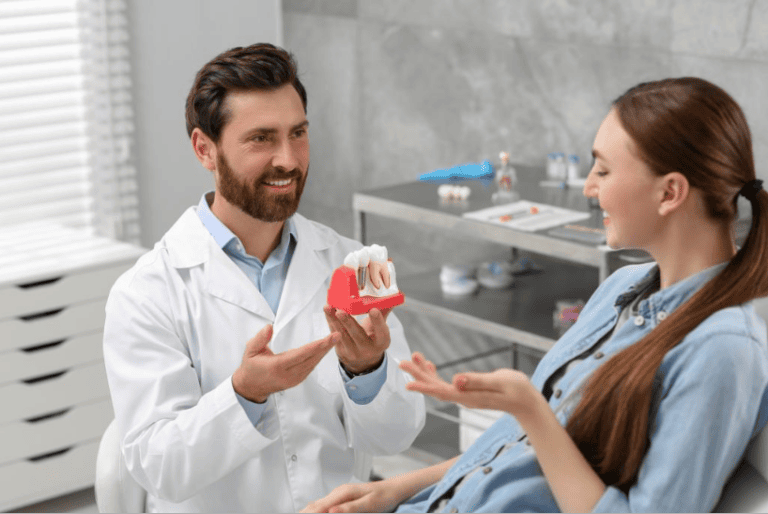
If you’re searching for dental implants near me, a consultation will determine whether bone grafting is necessary.
Types of Bone Grafts
Understanding the options can ease concerns:
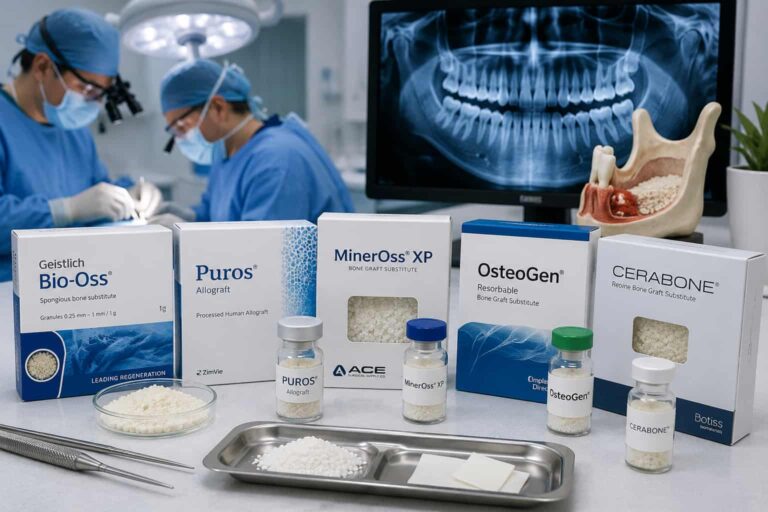
- Autograft – Bone taken from your own body
- Allograft – Donor bone from a tissue bank
- Xenograft – Bone from animal sources
- Synthetic graft – Man-made materials
Each type is safe and chosen based on your specific needs.
What to Expect During the Procedure
Here’s a quick overview:
- Consultation & Imaging
Your dentist evaluates bone density. - Procedure
Bone material is placed in the jaw. - Healing Phase
The graft integrates with your natural bone. - Implant Placement
Once healed, the dental implant is inserted.
Final Thoughts
Bone grafting is often misunderstood, but it plays a crucial role in successful dental implant treatment. Don’t let myths prevent you from restoring your smile.
If you’re considering implants and searching for dental implants near me, consult a qualified dental professional who can guide you through the process and recommend whether a bone graft for dental implants is right for you.
Modern dentistry has made grafting for teeth safer, faster, and more effective than ever—giving you the confidence to smile again.