Dental implants have transformed modern dentistry by providing a long-lasting solution for missing teeth. However, not every patient has enough healthy jawbone to support an implant immediately. Bone loss caused by tooth extraction, gum disease, trauma, or long-term tooth absence can make implant placement challenging. In these situations, bone grafting becomes a critical step in rebuilding the foundation needed for successful treatment.
For oral surgeons, choosing the right bone grafting material is just as important as the surgical procedure itself. High-quality bone grafting kits help promote bone regeneration, improve implant stability, and increase the likelihood of long-term success. Understanding which products are commonly used and why they are preferred can help patients feel more informed about their treatment options.
Why Bone Grafting Is Important Before Dental Implants
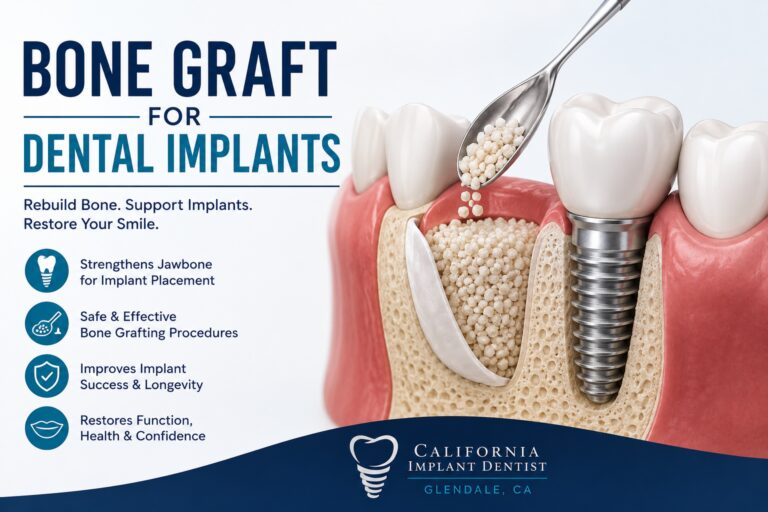
Bone grafting is a procedure designed to rebuild areas of the jaw where bone density and volume have been lost. Before placing dental implants, surgeons evaluate the quantity and quality of existing bone. If the bone is too thin or weak, an implant may fail to integrate properly.
A bone graft acts as a scaffold that encourages the body to generate new bone tissue. Once healing is complete, the strengthened jawbone can support a dental implant securely.
Patients considering grafting for teeth replacement often discover that bone grafting expands their eligibility for implant treatment, even if they were initially told they lacked sufficient bone.
What Makes a Good Bone Grafting Kit?
Oral surgeons evaluate several factors when selecting bone grafting materials, including:
- Biocompatibility
- Bone regeneration potential
- Ease of handling
- Clinical research support
- Healing predictability
- Long-term implant success rates
The ideal grafting material should integrate naturally with the patient’s existing bone while minimizing complications and promoting faster healing.
Most Recommended Bone Grafting Kits Used by Oral Surgeons
Geistlich Bio-Oss®
Geistlich Bio-Oss is one of the most widely used bone grafting materials worldwide. Derived from natural bovine bone mineral, it closely resembles human bone structure.
Many oral surgeons prefer Bio-Oss because:
- It provides excellent structural stability.
- It supports predictable bone formation.
- It has decades of clinical documentation.
- It works well for implant site development.
Bio-Oss is frequently used in ridge augmentation procedures and sinus lift surgeries before dental implants.
Puros® Allograft
Puros is a human donor bone graft processed to preserve its natural structure. It is commonly selected when surgeons want a graft material that closely mimics natural human bone.
Benefits include:
- Excellent integration with surrounding bone
- Consistent clinical outcomes
- Multiple particle sizes for different procedures
- Strong support for implant placement
Many specialists use Puros for grafting for teeth replacement in areas where significant bone loss has occurred.
MinerOss®
MinerOss is another popular option among oral surgeons. This grafting material offers excellent handling characteristics and reliable regenerative performance.
Key advantages include:
- High-quality processing standards
- Versatility across various grafting procedures
- Reliable bone regeneration
- Compatibility with implant treatment plans
Its predictable results make it a common choice for preparing implant sites.
OsteoGen®
OsteoGen combines resorbable calcium apatite materials that encourage natural bone growth while gradually being replaced by the patient’s own bone.
Oral surgeons often recommend OsteoGen because:
- It promotes healthy bone regeneration.
- It maintains graft volume during healing.
- It provides excellent support for implant integration.
- It has a long track record of clinical success.
Cerabone®
Cerabone is a highly purified bovine bone graft material known for its structural stability and slow resorption rate.
Benefits include:
- Long-lasting volume preservation
- High biocompatibility
- Excellent support for complex implant cases
- Strong clinical evidence
For patients with advanced bone loss, Cerabone often provides the stability needed before implant placement.
Different Types of Bone Grafts Used in Implant Dentistry
Not all bone grafting kits contain the same type of material. Oral surgeons typically choose from four primary categories.
Autografts
Autografts use bone harvested from the patient’s own body.
Advantages include:
- Excellent compatibility
- Natural healing properties
- High success rates
However, they require a second surgical site.
Allografts
Allografts come from human donor tissue processed under strict safety protocols.
Benefits include:
- No additional surgical site
- Reliable outcomes
- Widely used in implant dentistry
Xenografts
Xenografts are derived from animal sources, typically bovine bone.
Advantages include:
- Excellent structural support
- Long-term volume preservation
- Extensive clinical research
Synthetic Grafts
Synthetic grafts are laboratory-manufactured materials designed to stimulate bone regeneration.
Benefits include:
- No donor tissue required
- Consistent composition
- Reduced risk of disease transmission
Bone Grafting and Dental Implant Success
Successful dental implant treatment depends heavily on adequate bone support. When bone volume is insufficient, grafting procedures help create a stronger foundation for implant placement.
Research consistently shows that properly performed bone grafting can significantly improve implant success rates. By rebuilding lost bone, oral surgeons can position implants more accurately and achieve better long-term stability.
Patients often assume they are not candidates for implants because of bone loss. In reality, modern grafting techniques make implant treatment possible for many individuals who previously had limited options.
How Bone Grafting Affects the Cost of Dental Implants
One of the most common questions patients ask concerns the cost of dental implants when bone grafting is required.
The total treatment cost depends on several factors:
- Extent of bone loss
- Type of grafting material used
- Number of implant sites
- Surgical complexity
- Geographic location
- Additional procedures required
While bone grafting increases the initial cost of dental implants, it often improves treatment outcomes and helps avoid future complications. Investing in adequate bone support can protect the long-term success of implant restorations.
Patients should view bone grafting as part of a comprehensive treatment plan rather than an optional expense.
Are Mini Dental Implants an Alternative to Bone Grafting?
Some patients wonder whether mini dental implants can eliminate the need for bone grafting.
Mini dental implants are smaller in diameter than traditional implants and may be suitable for specific situations where bone volume is limited. However, they are not always a replacement for bone grafting.
Factors that determine suitability include:
- Bone density
- Bite forces
- Tooth location
- Overall oral health
- Long-term treatment goals
While mini dental implants can be beneficial for certain patients, traditional implants supported by adequate bone often provide greater durability and versatility.
An experienced implant dentist can determine whether mini dental implants or bone grafting is the most appropriate solution.
Choosing the Right Surgeon Matters
The success of any bone grafting procedure depends not only on the materials used but also on the expertise of the surgeon performing the treatment.
Experienced implant specialists understand how to:
- Select the appropriate grafting material
- Evaluate bone quality accurately
- Minimize surgical complications
- Optimize healing conditions
- Plan implant placement precisely
Patients should seek providers with extensive experience in bone grafting and implant dentistry to achieve the best possible outcomes.
Final Thoughts
Bone grafting plays a crucial role in modern implant dentistry, helping patients rebuild lost jawbone and become candidates for dental implants. Products such as Geistlich Bio-Oss, Puros, MinerOss, OsteoGen, and Cerabone remain among the most recommended bone grafting kits used by oral surgeons due to their proven safety, reliability, and clinical success.
Whether you are considering grafting for teeth replacement, exploring the cost of dental implants, or evaluating alternatives such as mini dental implants, understanding the role of bone grafting can help you make informed decisions about your oral health.
Working with a skilled implant specialist ensures that the right grafting materials and treatment techniques are selected to support long-lasting, successful dental implant results.