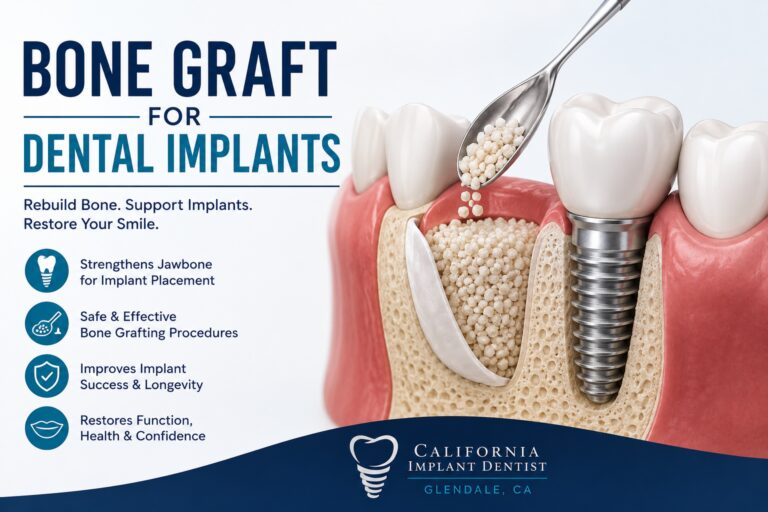
Dental implants have transformed modern dentistry, offering a long-lasting and natural-looking solution for missing teeth. But many people are told they’re not suitable candidates for implants due to insufficient bone in the jaw. If you’ve heard this, it’s not the end of the road. Bone grafting is a powerful procedure that can rebuild your jawbone and make dental implants possible—even if you were previously turned away.
In this guide, we’ll break down what bone grafting is, why it’s needed, how it works, and how it can open the door to dental implants.
Why Bone Matters for Dental Implants
Dental implants are small titanium posts that act as artificial tooth roots. They are surgically placed into the jawbone, where they fuse with the bone over time in a process called osseointegration. This fusion creates a strong and stable foundation for crowns, bridges, or dentures.
However, for this process to succeed, your jawbone must have enough:
- Density
- Volume (height and width)
- Strength
When the bone is too thin or weak, implants cannot properly anchor, increasing the risk of failure.
What Causes Bone Loss in the Jaw?
Bone loss in the jaw is more common than many people realise. Several factors can contribute to it:
1. Tooth Loss
When a tooth is lost, the surrounding bone no longer receives stimulation from chewing. Over time, the bone begins to shrink—a process called resorption.
2. Gum Disease (Periodontitis)
Advanced gum disease damages both soft tissue and bone, often leading to significant bone loss.
3. Trauma or Injury
Accidents or injuries can affect the structure and volume of the jawbone.
4. Long-Term Denture Use
Traditional dentures don’t stimulate the jawbone like natural teeth, which can lead to gradual bone deterioration.
5. Ageing
As we age, bone density naturally decreases, especially without proper dental care.
Read our latest blog: https://californiaimplantdentist.com/blog/bone-grafting-aftercare-tips-for-dental-implant-patients/
What Is Bone Grafting?
Bone grafting is a surgical procedure that rebuilds or replaces missing bone in the jaw. It involves placing bone material in areas where the bone is too thin or weak to support an implant.
Over time, your body integrates this material, forming new, healthy bone.
Types of Bone Grafts
Depending on your condition, your dentist may use different types of grafting material:
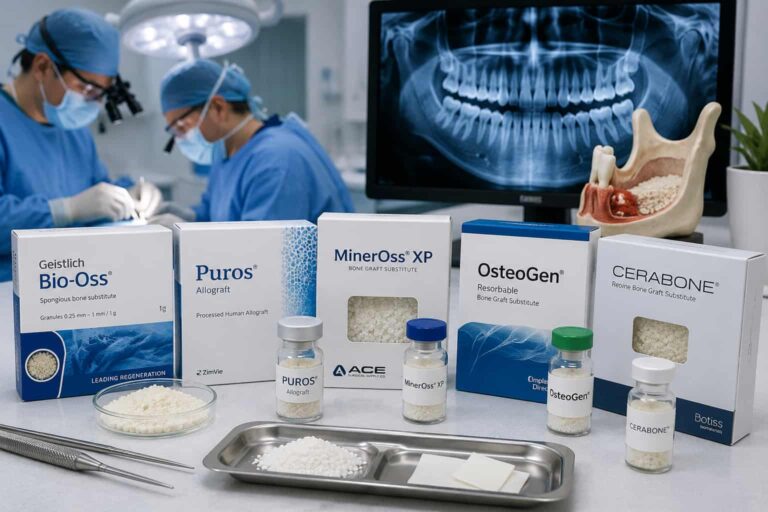
- Autograft – Bone taken from your own body (usually the chin or hip)
- Allograft – Donor bone from a tissue bank
- Xenograft – Bone derived from animal sources (commonly bovine)
- Alloplast – Synthetic bone-like materials
Each option has its benefits, and your dentist will recommend the best one based on your needs.
How Bone Grafting Makes Implants Possible
Bone grafting essentially “builds back” the foundation needed for dental implants. Here’s how it helps:
Restores Bone Volume
It increases the height and width of the jawbone, creating enough space for implant placement.
Improves Bone Density
Stronger bone ensures better integration and long-term stability.
Enhances Facial Structure
Bone loss can lead to a sunken facial appearance. Grafting helps restore natural contours.
Increases Implant Success Rate
A healthy bone foundation significantly improves the chances of successful implantation.
Types of Bone Grafting Procedures
Not all bone grafts are the same. The type of procedure depends on where and how much bone is needed.
1. Socket Preservation
Done immediately after tooth extraction to prevent bone loss.
2. Ridge Augmentation
Used when the jawbone has become too narrow or thin.
3. Sinus Lift
A common procedure for upper jaw implants. It raises the sinus floor to create space for bone growth.
4. Block Bone Graft
Involves placing a solid block of bone for more severe cases.
What to Expect During the Procedure
Bone grafting is typically performed under local anaesthesia, sometimes with sedation for comfort.
The Process:
- The dentist makes a small incision in the gum.
- The bone graft material is placed in the targeted area.
- The site is closed and allowed to heal.
Healing Time:
Healing can take anywhere from 3 to 6 months, depending on the complexity of the graft and your body’s healing ability.
Once the new bone has developed, dental implants can be placed.
Is Bone Grafting Painful?
Most patients report minimal discomfort during the procedure, thanks to modern anaesthesia and sedation techniques. After the surgery, mild swelling and soreness are normal but manageable with medication and proper care.
Who Is a Good Candidate for Bone Grafting?
You may be a candidate if:
- You’ve been told you lack sufficient bone for implants
- You’ve had missing teeth for a long time
- You suffer from gum disease-related bone loss
- You wear dentures and want a more permanent solution
A thorough dental evaluation, including X-rays or 3D scans, will determine your eligibility.
Benefits of Bone Grafting Before Implants
Bone grafting isn’t just about making implants possible—it offers long-term advantages:
- Improved oral health
- Better chewing function
- Enhanced appearance and facial symmetry
- Long-lasting implant support
- Prevention of further bone loss
Risks and Considerations
Like any surgical procedure, bone grafting carries some risks, although they are rare:
- Infection
- Graft rejection or failure
- Swelling or discomfort
- Delayed healing
Choosing an experienced dental professional significantly reduces these risks.
Alternatives to Bone Grafting
If you’re not a candidate for bone grafting or prefer another option, your dentist may suggest:
- Zygomatic implants (anchored in the cheekbone)
- All-on-4 implants (use fewer implants strategically placed)
- Removable dentures
However, bone grafting remains one of the most effective ways to restore full implant eligibility.
For More details, book an appointment with the doctor.
Final Thoughts
Being told you’re not a candidate for dental implants can feel discouraging—but it’s often not a permanent limitation. Bone grafting has made it possible for millions of people to regain their smiles, even after significant bone loss.
With advancements in dental technology and techniques, what once seemed impossible is now routine. If you’ve been considering implants but were held back by bone issues, it’s worth revisiting your options with a qualified dental professional.
A stronger, healthier smile might be closer than you think.