Bone grafting is a common and essential procedure in modern implant dentistry, especially when a patient does not have enough natural bone to support dental implants. While the surgery itself is highly advanced and predictable, the success of the procedure depends significantly on proper aftercare. If you’re preparing for or recovering from a bone graft, understanding how to care for yourself can make a major difference in healing and long-term results.
In this guide, we’ll walk you through everything you need to know about bone grafting aftercare, helping ensure a smooth recovery and successful dental implant outcome.
What Is Bone Grafting?
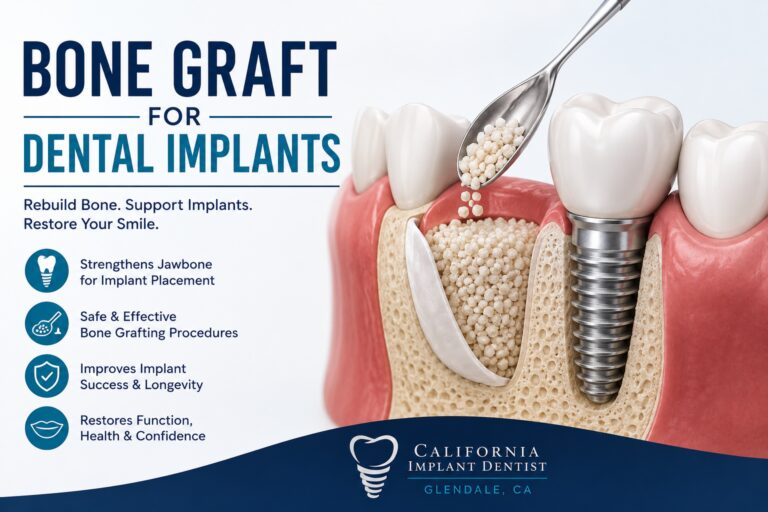
Bone grafting is a surgical procedure used to rebuild or strengthen the jawbone. It is often required before placing dental implants, particularly if bone loss has occurred due to gum disease, trauma, or tooth loss.
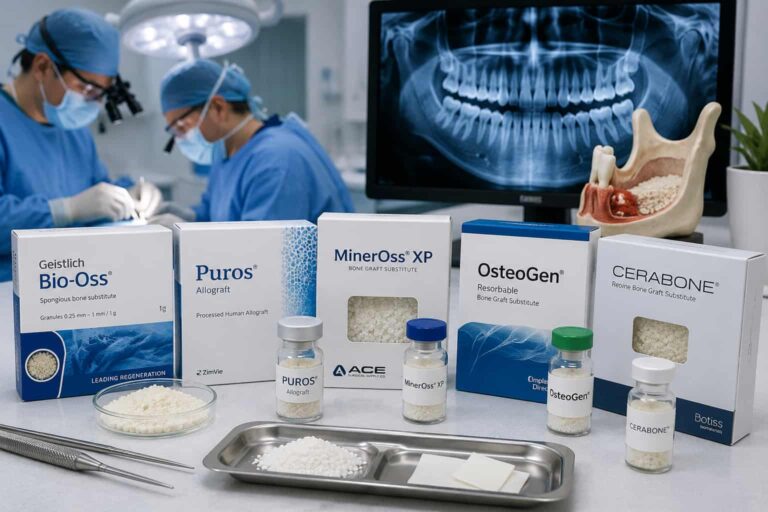
The graft material may come from your own body, a donor, or synthetic sources. Over time, this material integrates with your natural bone, creating a strong foundation for implants.
Why Aftercare Is So Important
After a bone graft procedure, your body needs time to heal and allow the new bone to integrate. Poor aftercare can lead to complications such as infection, graft failure, or delayed healing. Following proper guidelines helps:
- Reduce swelling and discomfort
- Prevent infection
- Support bone regeneration
- Ensure implant success
Immediate Aftercare (First 24–48 Hours)
The first couple of days after surgery are crucial.
1. Control Bleeding
Some bleeding is normal after the procedure. Bite gently on the gauze provided by your dentist and replace it as needed.
2. Manage Swelling
Apply an ice pack to the outside of your face for 15–20 minutes at a time. This helps minimise swelling and discomfort.
3. Rest Is Essential
Avoid strenuous activities. Give your body the time it needs to begin healing.
Read our latest blog: https://californiaimplantdentist.com/blog/bone-grafting-recovery-timeline-a-guide-for-implant-patients/
Pain Management
Mild to moderate pain is expected after bone grafting. Your dentist may prescribe medications such as Ibuprofen or recommend over-the-counter options.
Tips:
- Take medications as directed
- Avoid aspirin unless prescribed, as it may increase bleeding
- Do not skip doses during the initial healing phase
Oral Hygiene Guidelines
Maintaining oral hygiene is essential, but it must be done carefully.
Do:
- Brush gently, avoiding the surgical site
- Use a prescribed mouth rinse if recommended
Don’t:
- Rinse vigorously for the first 24 hours
- Touch the graft area with your fingers or tongue
Keeping the area clean reduces the risk of infection and supports healing.
Diet After Bone Grafting
Your diet plays a key role in recovery.
Recommended Foods:
- Soft foods like yoghurt, mashed potatoes, and soups
- Smoothies (avoid using straws)
- Scrambled eggs and soft fruits
Foods to Avoid:
- Hard or crunchy foods
- Spicy or acidic items
- Extremely hot foods and drinks
Eating the right foods prevents irritation and protects the graft site.
Avoid Smoking and Alcohol
Smoking is one of the biggest risk factors for graft failure. It restricts blood flow and slows down healing.
Important:
- Avoid smoking for at least 2 weeks (preferably longer)
- Limit or avoid alcohol during the healing period
These steps significantly improve the chances of a successful outcome.
Watch for Signs of Complications
While most bone graft procedures heal without issues, it’s important to monitor your condition.
Contact your dentist if you notice:
- Persistent or severe pain
- Excessive swelling after 3–4 days
- Pus or unusual discharge
- Fever
- Graft material falling out
Early intervention can prevent serious complications.
Follow-Up Appointments
Regular check-ups are crucial after bone grafting. Your dentist will monitor healing and determine when it’s safe to proceed with dental implants.
Healing time can vary from a few weeks to several months, depending on the size and type of graft.
Long-Term Care for Best Results
Even after the initial healing phase, maintaining oral health is essential.
Tips for Long-Term Success:
- Brush and floss regularly
- Visit your dentist for routine cleanings
- Maintain a balanced diet rich in calcium and vitamin D
- Avoid habits like teeth grinding
Proper care ensures the longevity of both the graft and your future dental implants.
Lifestyle Adjustments for Faster Healing
Small lifestyle changes can make a big difference:
- Stay hydrated
- Get enough sleep
- Reduce stress
- Follow all post-surgical instructions carefully
Your body heals best when supported by healthy habits.
Final Thoughts
Bone grafting is a powerful solution that makes dental implants possible for many patients. However, the procedure’s success doesn’t end in the dental chair—it continues with how well you care for yourself afterwards.
By following these aftercare tips, you can minimise discomfort, reduce risks, and ensure optimal healing. Always stay in close communication with your dental professional and never hesitate to ask questions about your recovery.
With the right care and attention, you’ll be well on your way to a healthier smile and a successful dental implant journey.