Missing teeth can affect far more than your smile. They can impact how you eat, speak, and even how confident you feel in social situations. Fortunately, modern dentistry offers a long-lasting and natural-looking solution—dental implants.
If you’ve been considering tooth replacement options, understanding how dental implants work and who they’re best suited for can help you make an informed decision.
What Are Dental Implants?
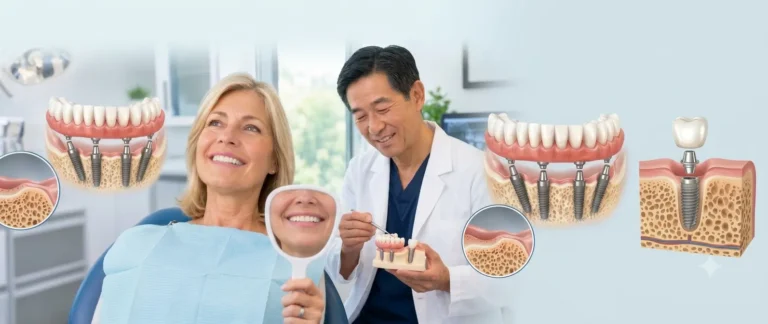
Dental implants are artificial tooth roots, usually made of titanium, that are surgically placed into the jawbone to support replacement teeth such as crowns, bridges, or dentures.
Unlike traditional dentures or bridges, implants are fixed in place and function much like natural teeth. They provide a stable foundation and are designed to blend seamlessly with your existing teeth.
A complete dental implant system consists of three main parts:
- Implant (post): The screw-like structure placed into the jawbone
- Abutment: A connector that holds the crown
- Crown: The visible part that looks like a natural tooth
How Do Dental Implants Work?
Dental implants work through a biological process called Osseointegration. This is what makes them strong and long-lasting.
Step-by-Step Process:
1. Initial Consultation
Your dentist evaluates your oral health, bone density, and overall suitability. X-rays or scans may be taken to assess the jawbone.
2. Implant Placement
The titanium implant is surgically inserted into the jawbone. This procedure is usually done under local anaesthesia.
3. Healing Phase
Over the next few months, the implant fuses with the bone (osseointegration). This creates a strong, stable base for the artificial tooth.
4. Abutment Placement
Once healing is complete, an abutment is attached to the implant to hold the crown.
5. Crown Placement
A custom-made crown is placed on top, restoring both function and appearance.
Read our latest blog: https://californiaimplantdentist.com/blog/think-you-cant-get-implants-bone-grafting-might-change-that/
Types of Dental Implants
Depending on your needs, dentists may recommend different types of implants:
1. Single Tooth Implants
Used to replace one missing tooth without affecting neighbouring teeth.
2. Implant-Supported Bridges
Ideal when multiple teeth are missing in a row.
3. Full Mouth Implants
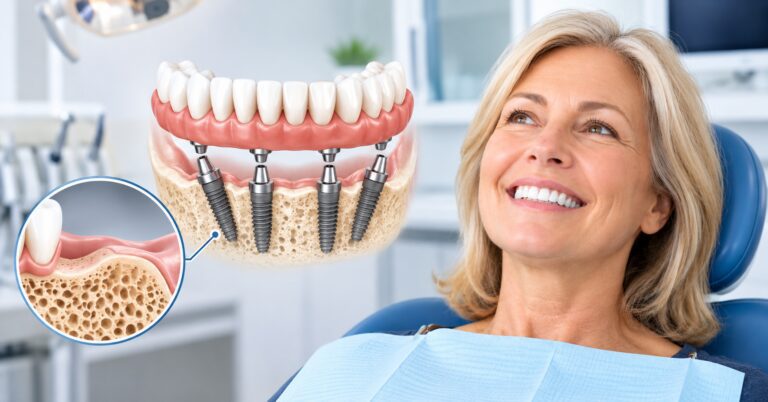
For patients who have lost most or all teeth. Techniques like All-on-4 provide full-arch replacement with fewer implants.
Benefits of Dental Implants
Dental implants are widely considered the gold standard for tooth replacement—and for good reason.
Natural Look and Feel
Implants are designed to match your natural teeth in shape and colour.
Improved Functionality
You can eat, chew, and speak normally without discomfort.
Long-Lasting Solution
With proper care, implants can last decades or even a lifetime.
Bone Preservation
Implants stimulate the jawbone, preventing bone loss—a common issue after tooth loss.
No Damage to Adjacent Teeth
Unlike bridges, implants don’t rely on neighbouring teeth for support.
Who Needs Dental Implants?
Dental implants are suitable for a wide range of people, especially those who:
Have Missing Teeth
Whether it’s one tooth or multiple, implants provide a permanent solution.
Struggle with Dentures
If dentures feel loose or uncomfortable, implants offer better stability.
Have Healthy Gums
Good gum health is essential for successful implantation.
Have Sufficient Bone Density
A strong jawbone is needed to support the implant. If not, procedures like bone grafting may be recommended.
Who May Not Be an Ideal Candidate?
While dental implants are highly effective, they may not be suitable for everyone.
Heavy Smokers
Smoking can interfere with healing and increase the risk of implant failure.
Uncontrolled Medical Conditions
Conditions like diabetes or immune disorders may affect healing.
Severe Bone Loss
In such cases, additional procedures may be needed before implantation.
Are Dental Implants Painful?
One of the most common concerns is pain. The procedure is typically performed under anaesthesia, so discomfort during surgery is minimal.
After the procedure, mild swelling or soreness may occur, but it usually subsides within a few days and can be managed with medication.
Recovery and Aftercare
Proper care is crucial for long-term success.
Oral Hygiene
- Brush and floss daily
- Use the recommended mouthwash
Diet
- Avoid hard or sticky foods during healing
- Gradually return to normal eating habits
Regular Check-Ups
Visit your dentist regularly to monitor implant health.
Cost of Dental Implants
Dental implants can be more expensive upfront compared to other options, but they offer long-term value due to their durability and low maintenance.
Costs vary depending on:
- Number of implants
- Type of restoration
- Additional procedures (like bone grafting)
Dental Implants vs Other Options
|
Feature |
Implants | Dentures | Bridges |
|
Stability |
High | Low |
Medium |
|
Longevity |
Long-term | Short-term |
Medium |
|
Bone Preservation |
Yes | No |
No |
| Comfort | High | Variable |
Moderate |
Final Thoughts
Dental implants have transformed the way we approach tooth replacement. They offer a reliable, natural-looking, and long-lasting solution that goes beyond aesthetics—restoring full functionality and confidence.
If you’re dealing with missing teeth or struggling with traditional dentures, dental implants may be the right choice for you. A consultation with a qualified dentist can help determine the best approach based on your individual needs.