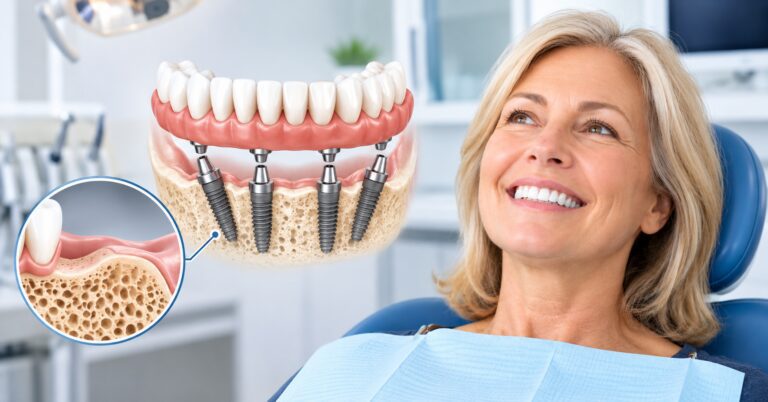
Dental implants are considered one of the most reliable and long-lasting solutions for replacing missing teeth. They look natural, function like real teeth, and can significantly improve confidence and oral health. While dental implants have a very high success rate, many patients still ask an important question: Can dental implants fail?
The short answer is yes—although dental implant failure is relatively uncommon, it can happen under certain circumstances. Understanding the risks, warning signs, and prevention methods can help patients make informed decisions and protect their investment in their smile.
What Is a Dental Implant?
A dental implant is a titanium post surgically placed into the jawbone to replace the root of a missing tooth. Over time, the implant fuses with the bone through a process called osseointegration. Once healed, a crown, bridge, or denture is attached to complete the restoration.
Dental implants are known for their durability and long-term success, with many lasting 15 years or more when properly cared for.
What Does Dental Implant Failure Mean?
Dental implant failure occurs when the implant does not properly integrate with the jawbone or loses stability after successful placement. Failure may happen shortly after surgery or years later.
Read our latest blog: https://californiaimplantdentist.com/blog/who-is-not-a-good-candidate-for-dental-implants/
There are generally two types of implant failure:
Early Implant Failure
This occurs within the first few months after placement, often before the implant fully bonds with the bone.
Late Implant Failure
This happens after the implant has already healed and functioned successfully for some time. Late failure is usually caused by infection, bone loss, or excessive pressure on the implant.
Common Causes of Dental Implant Failure
Understanding the factors that contribute to implant failure can help patients reduce risks and improve outcomes.
Infection Around the Implant
One of the leading causes of implant failure is peri-implantitis, a bacterial infection that affects the gum and bone surrounding the implant. It is similar to gum disease and can gradually weaken the implant’s support structure.
Symptoms may include:
- Swollen gums
- Bleeding around the implant
- Bad breath
- Pain or discomfort
- Bone loss
Poor oral hygiene significantly increases the risk of infection.
Insufficient Bone Density
Dental implants require adequate jawbone support to remain stable. If a patient has experienced bone loss due to missing teeth, gum disease, or injury, the implant may not integrate properly.
In some cases, bone grafting may be recommended before implant placement to strengthen the area.
Smoking and Tobacco Use
Smoking is a major risk factor for dental implant failure. Tobacco restricts blood flow, slows healing, and increases the likelihood of infection. Smokers are significantly more likely to experience complications compared to non-smokers.
Patients are often advised to quit smoking before and after implant surgery for better healing results.
Teeth Grinding (Bruxism)
Chronic teeth grinding or jaw clenching places excessive pressure on dental implants. Over time, this force can loosen the implant or damage the surrounding bone and restoration.
A custom night guard may help protect implants in patients with bruxism.
Poor Oral Hygiene
Although implants cannot develop cavities like natural teeth, the gums and surrounding tissues still require proper care. Failing to brush, floss, and attend regular dental checkups can lead to plaque buildup and infection.
Consistent oral hygiene is essential for long-term implant success.
Medical Conditions
Certain health conditions can interfere with healing and increase the risk of implant complications. These may include:
- Uncontrolled diabetes
- Autoimmune disorders
- Osteoporosis
- Cancer treatments
- Immune system disorders
Patients should always discuss their full medical history with their dentist before treatment.
Improper Implant Placement
The experience and skill of the dental professional play a significant role in the success of dental implants. Incorrect placement can affect stability, nerve positioning, or bite alignment.
Choosing an experienced implant dentist greatly reduces the likelihood of complications.
Signs That a Dental Implant May Be Failing
Recognising the warning signs early can help prevent more serious complications. Patients should contact their dentist if they notice:
- Persistent pain or discomfort
- Loose implant
- Swollen or bleeding gums
- Difficulty chewing
- Receding gums around the implant
- Pus or signs of infection
- Implant movement
While mild soreness after surgery is normal, ongoing pain or instability should never be ignored.
How Common Is Dental Implant Failure?
Dental implants have a success rate of approximately 90–98%, making them one of the safest restorative dental procedures available. Most failures occur due to preventable factors such as smoking, poor oral hygiene, or untreated gum disease.
With proper planning and aftercare, the majority of patients enjoy successful outcomes for many years.
Can a Failed Dental Implant Be Replaced?
In many cases, yes. A failed dental implant can often be removed and replaced after the area has healed. Depending on the cause of failure, additional procedures such as bone grafting or gum treatment may be needed before placing a new implant.
The dentist will evaluate:
- Bone condition
- Gum health
- Infection status
- Overall oral health
A personalised treatment plan can help improve the chances of success during a second attempt.
How to Reduce the Risk of Dental Implant Failure
Although no procedure is entirely risk-free, patients can take several steps to protect their dental implants.
Maintain Excellent Oral Hygiene
Brush twice daily, floss regularly, and use dentist-recommended tools for cleaning around implants.
Visit Your Dentist Regularly
Routine checkups and professional cleanings help detect early signs of problems before they worsen.
Avoid Smoking
Quitting smoking can significantly improve healing and long-term implant stability.
Follow Aftercare Instructions
Carefully follow all post-surgical guidelines provided by your dental team.
Wear a Night Guard if Needed
If you grind your teeth, a night guard can reduce stress on implants while sleeping.
Choose an Experienced Implant Dentist
Proper planning, imaging, and surgical expertise are critical for long-term success.
Are Dental Implants Worth the Risk?
For most patients, the benefits of dental implants far outweigh the risks. Implants restore chewing ability, preserve jawbone structure, improve appearance, and provide a stable long-term solution for missing teeth.
Compared to traditional dentures or bridges, dental implants often offer:
- Greater comfort
- Better stability
- Improved speech
- Natural appearance
- Long-lasting durability
When patients commit to good oral hygiene and regular dental care, implants can remain successful for decades.
Final Thoughts
So, can dental implants fail? Yes—but failures are relatively rare when treatment is properly planned and maintained. Understanding the potential risks allows patients to make informed decisions and take proactive steps to protect their oral health.
By choosing a qualified dental professional, maintaining healthy habits, and following aftercare instructions, most patients can enjoy the long-term benefits of a healthy and confident smile with dental implants.