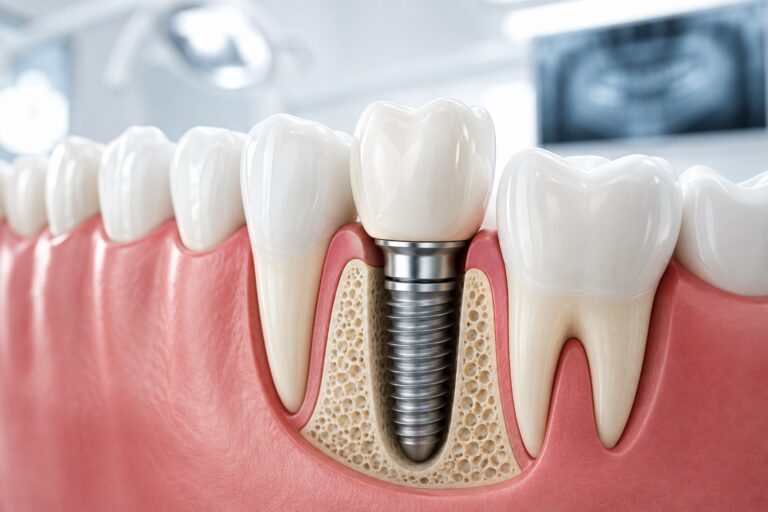
Dental implant surgery is a highly effective procedure for replacing missing teeth and restoring your smile. However, proper aftercare plays an important role in ensuring successful healing and long-term implant stability. One of the most important parts of recovery is choosing the right foods after dental implant surgery.
Your diet after implant placement should support healing while avoiding pressure on the surgical area. Eating soft, nutritious foods can help reduce discomfort, protect the implant site, and provide your body with the nutrients it needs for bone and tissue repair.
In this guide, we’ll discuss the best foods to eat after dental implant surgery, foods to avoid, and helpful dietary tips to support a smooth recovery.
Also Read – Dental Implants Near Me
Why Your Diet Matters After Dental Implant Surgery
After dental implant placement, your gums and jawbone need time to heal around the implant. This process, known as osseointegration, allows the implant to fuse securely with your jawbone.
The foods you choose during recovery can impact:
- Healing speed
- Gum tissue recovery
- Comfort levels
- Risk of irritation or infection
- Overall dental implant success
A diet rich in protein, vitamins, minerals, and healthy fats can support your body’s natural healing process.
Also Read – Are Mini Dental Implants Right for You?
Best Foods to Eat After Dental Implant Surgery
1. Smoothies and Protein Shakes
Smoothies are one of the best options immediately after dental implant surgery because they are easy to consume and packed with nutrients.
Recommended ingredients:
- Greek yogurt
- Protein powder
- Bananas
- Berries
- Spinach
- Nut butter
- Milk or plant-based alternatives
Tip: Avoid using a straw after surgery, as suction can disturb the healing area and increase bleeding risk.
2. Mashed Potatoes
Mashed potatoes are soft, filling, and gentle on your gums. They provide carbohydrates that help maintain energy during recovery.
You can add:
- Butter
- Cheese
- Olive oil
- Sour cream
Make sure they are smooth and not too hot before eating.
3. Yogurt
Yogurt is an excellent post-surgery food because it requires minimal chewing and contains protein and calcium, which support oral and bone health.
Choose:
- Plain Greek yogurt
- Low-sugar yogurt
- Yogurt with probiotics
Avoid yogurt with crunchy toppings like granola or nuts during the early healing period.
4. Eggs
Eggs are a great source of high-quality protein, which is essential for tissue repair after dental implant surgery.
Good options include:
- Scrambled eggs
- Soft-boiled eggs
- Egg custard
Their soft texture makes them comfortable to eat during recovery.
5. Soups and Broths
Soups provide hydration and nutrients while being easy to consume.
Good choices include:
- Vegetable soup
- Chicken broth
- Lentil soup
- Blended soups
Avoid very hot soups immediately after surgery because heat can increase swelling and discomfort.
6. Avocados
Avocados contain healthy fats, vitamins, and minerals that support healing.
Benefits include:
- Easy-to-chew texture
- Anti-inflammatory nutrients
- Healthy calories for energy
You can eat mashed avocado alone or add it to smoothies.
7. Soft Fruits
Fruits provide essential vitamins that support immune function and healing.
Good choices include:
- Bananas
- Applesauce
- Soft peaches
- Mango
- Melons
Avoid hard fruits like raw apples during the early recovery stage.
8. Cooked Vegetables
Vegetables provide antioxidants and nutrients that help your body recover.
Choose softer options such as:
- Carrots (well cooked)
- Squash
- Sweet potatoes
- Zucchini
- Pumpkin
Cook vegetables until they are soft and easy to chew.
9. Oatmeal
Oatmeal is a nutritious breakfast option after dental implant surgery.
Benefits:
- High in fiber
- Easy to prepare
- Gentle on teeth and gums
Allow oatmeal to cool before eating and avoid adding hard toppings.
10. Fish and Soft Protein Sources
Protein helps rebuild tissues and supports healing after implant placement.
Good protein options include:
- Soft fish
- Shredded chicken
- Tofu
- Cottage cheese
- Beans
Avoid tough meats that require excessive chewing.
Also Read – Are Same Day Dental Implants Worth the Investment?
Foods to Eat During Different Stages of Dental Implant Recovery
First 24–48 Hours After Surgery
During the first few days, focus on very soft foods.
Recommended foods:
- Smoothies (without a straw)
- Yogurt
- Applesauce
- Mashed potatoes
- Protein shakes
- Broth-based soups
Avoid chewing near the implant area.
First Week After Dental Implant Surgery
As swelling decreases, you can gradually introduce more foods.
Try:
- Soft pasta
- Scrambled eggs
- Cooked vegetables
- Oatmeal
- Soft rice
- Soft fish
Continue avoiding hard or crunchy foods.
Weeks 2–6 After Implant Placement
Your dentist may allow you to slowly return to a more normal diet depending on your healing progress.
You can gradually add:
- Lean meats
- Firmer vegetables
- More solid foods
Always follow your implant dentist’s specific instructions.
Foods to Avoid After Dental Implant Surgery
Certain foods can irritate the surgical area or delay healing.
Avoid:
Hard and Crunchy Foods
Examples:
- Nuts
- Chips
- Popcorn
- Hard candies
- Raw vegetables
These can put pressure on the implant site.
Spicy Foods
Spicy foods may irritate healing gums and cause discomfort.
Avoid:
- Hot sauces
- Spicy dishes
- Excessive seasoning
Sticky Foods
Sticky foods can pull on healing tissues.
Avoid:
- Caramel
- Chewing gum
- Sticky candy
Alcohol and Tobacco Products
Alcohol and smoking can interfere with healing and increase the risk of implant complications.
Follow your dentist’s recommendations regarding when it is safe to resume these activities.
Tips for Eating After Dental Implant Surgery
Follow these tips for a smoother recovery:
- Eat smaller meals throughout the day
- Stay hydrated
- Chew away from the implant area
- Avoid extremely hot foods
- Maintain good oral hygiene as instructed
- Follow all post-operative instructions from your dentist
Can I Eat Normally After Dental Implant Surgery?
Most patients can gradually return to their regular diet after healing progresses. However, the timeline depends on factors such as:
- Number of implants placed
- Bone health
- Type of procedure
- Individual healing speed
Your dental implant specialist will guide you on when you can safely return to harder foods.
Frequently Asked Questions About Eating After Dental Implant Surgery
How long after dental implant surgery can I eat?
Most patients can eat soft foods a few hours after surgery once the numbness wears off. Avoid chewing directly on the implant area during early recovery.
Can I eat rice after dental implant surgery?
Soft rice may be allowed after the first few days, but avoid small grains getting trapped around the surgical site. Follow your dentist’s advice.
Is protein important after dental implant surgery?
Yes. Protein supports tissue repair and helps your body recover after surgery.
Can I drink coffee after dental implant surgery?
It is usually recommended to avoid very hot beverages immediately after surgery. Ask your dentist when you can safely resume coffee.